3 Glen Alpine Way, Bergvliet, Cape Town
Mon-Fri 08:00 AM - 05:00 PM
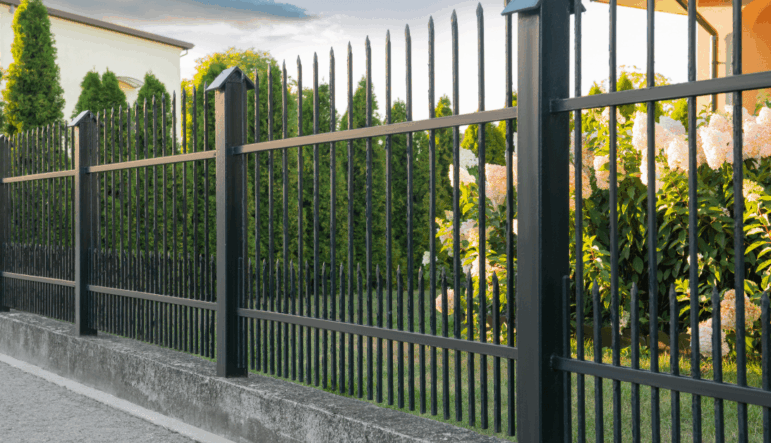
The site’s risk level determines the right security fencing for your property, the boundary layout, and how the fence will work alongside the gate, CCTV, and alarm systems already in place or planned. A fence chosen without that assessment will leave gaps that cost more to fix than they would have cost to avoid from the start.
According to Statistics South Africa’s 2024/25 Governance, Public Safety and Justice Survey, an estimated 1.5 million housebreaking incidents occurred in South Africa during that period, representing 5.7% of all households nationwide. For most properties, the perimeter is the first opportunity to reduce that risk before it reaches the building itself. A security fence that was properly planned and specified creates the conditions where everything else in the security system can function as intended.
At JVN Security Solutions, we assess the site before recommending any fencing product. The specification that suits a residential property in Cape Town’s Southern Suburbs will not necessarily suit a commercial warehouse in the Winelands, and applying a standard solution to a site-specific problem produces predictable results. This guide covers how security fencing works, how to compare the main options, and what a professionally planned security fence installation should involve from assessment through to handover.
South Africa has a well-established range of security fencing products, and the right choice varies considerably depending on the site. Here is how the main types of fencing in South Africa compare.
| Clear View | Palisade | Welded Mesh | Steel Fence | Electric Security Fence | Wall-Top Electric | |
| Material | Galvanised/coated wire | Steel or aluminium | Galvanised/PVC-coated mesh | Mild or galvanised steel | Steel posts with energised wire | Energised wire on wall brackets |
| Security level | High | High | Medium–High | High | Very high | High |
| Visibility | High (transparent) | Medium–High | Medium | Low–Medium | High | Minimal |
| Durability | High | High | Medium–High | High | High | Medium–High |
| Maintenance | Low | Low–Medium | Low | Medium | Medium | Medium |
| Typical lifespan | 20–25 years | 15–25 years | 10–20 years | 15–25 years | 10–15 years | 10–15 years |
| Appearance | Clean, modern | Formal/traditional | Industrial | Solid, opaque | Visible deterrent | Unobtrusive |
| Residential suitability | Yes | Yes | Limited | Yes | Yes | Yes |
| Commercial suitability | Yes | Yes | Yes | Yes | Yes | Yes |
| CCTV / gate compatible | Yes | Yes | Yes | Yes | Yes | Yes |
Clear view fencing is the most widely used residential and commercial security fencing type across Cape Town. The welded wire grid is transparent, making it well suited to perimeters where CCTV needs a clear line of sight along the full boundary. It resists cutting quickly and offers few handholds for climbing. The open profile also makes the perimeter easy to monitor from inside the property. Most standard residential installations use 358 clear view panels, named for the aperture dimensions that make wire cutting difficult.

Palisade fencing uses vertical steel or aluminium spikes mounted on horizontal rails. It is a strong visual deterrent and handles commercial use well, making it a common choice for schools, light industrial sites, and commercial perimeters across South Africa. Anti-intruder profiles with inward-pointing or twisted tops add climbing resistance. It is less transparent than clear view fencing but still allows camera coverage with correct placement.
Welded mesh fencing is typically chosen for industrial and agricultural perimeters where coverage area is large and cost per metre is the primary consideration. The flat panel design provides moderate climbing resistance and reasonable durability, but it offers lower overall security than clear view or palisade on its own. Combined with electric fencing at the top, it forms a cost-effective perimeter at industrial scale.
Steel fencing covers a wide range of products, from ornamental steel panels used on residential boundaries to reinforced barrier fencing on high-security commercial sites. The solid profile provides privacy alongside security but reduces visibility along the perimeter. Camera placement becomes more critical on properties where a solid fence limits natural surveillance.
Electric security fencing is a standalone energised fence system typically installed on commercial, industrial, and higher-risk residential sites. The physical barrier deters, and the shock and alarm trigger provide detection and response. All electric fence systems in South Africa must comply with SANS 10222 Part 3 and the Electrical Machinery Regulations published under the Occupational Health and Safety Act 85 of 1993. Installers must hold a valid Electric Fence System Installer certificate issued by the Department of Employment and Labour, and a Certificate of Compliance must be issued on completion of every installation.
Wall-top electric fencing is the most common electric fencing configuration for residential properties. Brackets and energised wires are mounted along the top of an existing boundary wall, adding a shock and alarm deterrent without replacing the wall itself. It is one of the most cost-effective ways to strengthen an existing perimeter and can be connected to the alarm system to trigger a monitored response when interfered with.
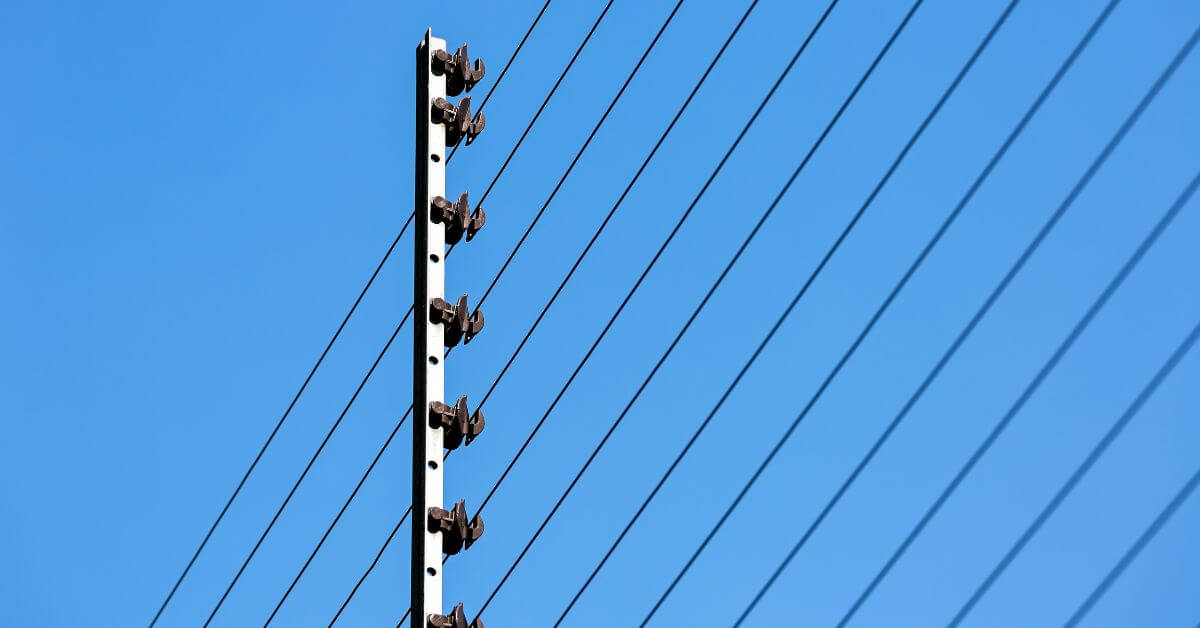
Residential security fencing and commercial security fencing are not planned in the same way, and treating them as equivalent produces a fence that either over-delivers in ways that create problems or under-delivers on a site where the risk genuinely requires more.
Residential fencing typically needs to balance security with appearance. Most Cape Town homeowners want a boundary that protects the property without the look of an industrial compound. Clear view and palisade fencing are the most common choices because they provide strong physical protection without that outcome. Standard height for residential installations sits between 1.8 and 2.4 metres. Insurance providers increasingly specify minimum perimeter security standards for high-value residential properties, so checking your policy before committing to a specification is worth doing.
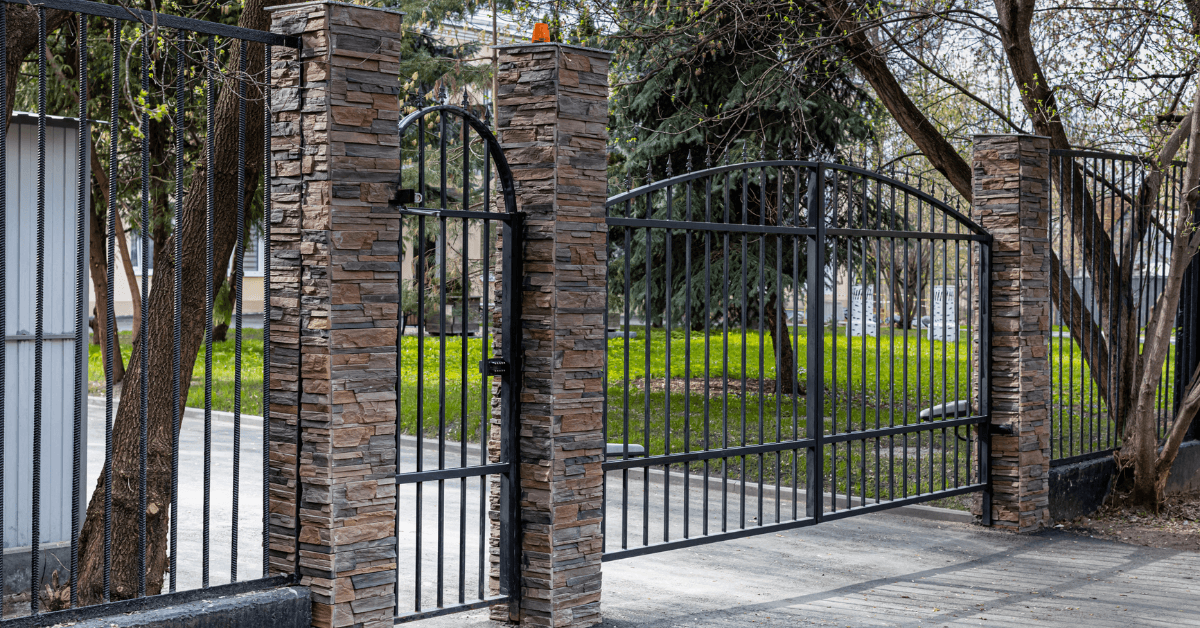
Commercial security fencing is planned around the specific risks of the site: the value of assets stored, the volume of staff and visitor movement, the operating hours, and the surrounding environment. Commercial properties with overnight stock or equipment often require electric fencing in addition to a physical barrier. Access control, gate automation, intercom systems, and CCTV all need to be integrated with the fencing layout from the start rather than retrofitted around it afterwards.
Industrial and warehouse sites frequently use welded mesh or palisade fencing at heights between 2.4 and 3 metres or above, with electric fencing on top and CCTV coverage along the full boundary. Service entrances, delivery points, and emergency exits each need to be addressed in the perimeter layout. Every one of them represents a security consideration that needs to be resolved in the specification.
The gap between residential and commercial security fencing is not just physical. Compliance obligations, maintenance requirements, staff access management, and the consequences of a security failure all scale with the size and nature of the site.
An electric security fence adds meaningful protection on sites where a physical barrier alone is not sufficient and where a breach carries significant consequences.
For residential properties, wall-top electric fencing is worth considering on any home that has been targeted before, sits in a higher-risk area, or stores high-value vehicles or equipment on the property. The ongoing cost involves regular servicing of the energiser and wiring, and the system must remain compliant and correctly signed in accordance with South African regulations at all times.
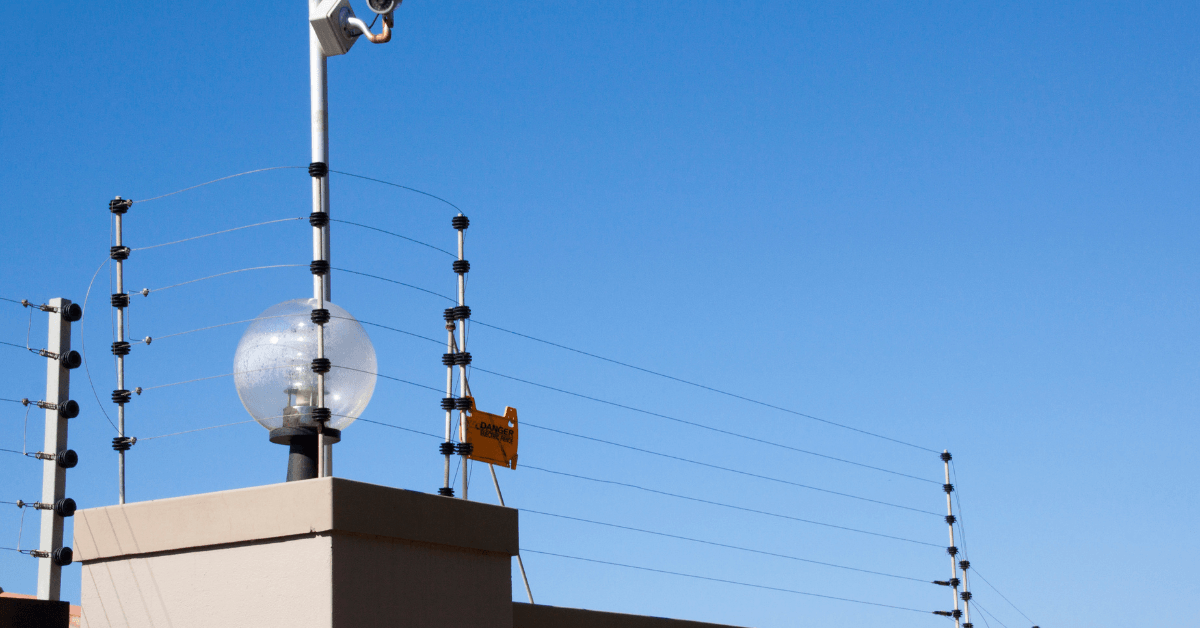
For commercial and industrial sites, electric fencing is standard practice rather than an upgrade. Warehouses, manufacturing facilities, and sites storing plant equipment have both the risk profile and the asset value that justifies the additional specification. Any site where standard boundary fencing alone would leave meaningful gaps in deterrence should include electric fencing in the perimeter plan from the start.
Electric fencing works best when it is connected to the alarm system. A monitored response to a fence alarm trigger is what turns a deterrent into a detection tool. A fence that shocks and resets without alerting anyone has limited practical value beyond its physical presence.
There are also situations where electric fencing is not the right call. Lower-risk residential properties with good natural surveillance and a well-specified physical fence may not need the additional cost or maintenance commitment. Sites with regular children, pets, or livestock near the boundary also require careful planning to ensure the system operates safely and within South African compliance requirements.
These are the mistakes JVN Security Solutions encounters most often when called in to replace or upgrade an existing perimeter.
Choosing on price alone: The cheapest fence per metre is almost always the cheapest fence per year until it corrodes, bends, or fails to meet the risk it was installed to address. A correct specification costs more upfront and considerably less over ten years.
Ignoring site-specific risks: A fence that suits the front boundary may not suit the rear. Service gates, side entrances, and low-visibility sections all need specific attention in the plan.
Picking the wrong fencing material for the environment: Steel fencing near the Cape Town coastline without marine-grade galvanising or appropriate coating will need replacement well before its rated lifespan. Fencing materials must be matched to local conditions, not just the security requirement.
Creating CCTV blind spots: Solid fencing that blocks camera lines of sight along the boundary makes surveillance along that section impossible. Camera positions must be planned alongside the fence layout, not after it is installed.
Treating the gate as secondary: A strong fence with a poorly specified gate creates an obvious entry point. The gate, motor, access control hardware, and camera coverage all need to match the standard of the fence around them.
Not planning for maintenance: Every fencing type requires upkeep. Palisade fencing needs periodic painting. Electric fencing needs regular energiser checks. Failing to plan for maintenance leads to degraded performance and, for electric systems, compliance gaps.
Not considering future changes: A fence installed to the current boundary may need to extend or reconfigure as the property changes. Installing foundations that accommodate future extension adds minimal cost at the time and avoids a full replacement later.
Treating fencing as separate from the rest of the security system: A fence not planned alongside the CCTV, gate, and alarm system produces integration problems that are expensive to resolve and leaves security gaps in the meantime.
Overlooking service entrances and side boundaries: These are consistently the weakest points in residential and commercial perimeters. Every section of the boundary deserves the same level of attention as the main entrance.
The most common mistake in choosing security fencing is selecting a product before the site has been assessed. A proper recommendation starts with the property, not the catalogue.
At JVN Security Solutions, a site assessment for security fencing covers:
• Property size and layout: total boundary length, shape, and the number of access points that need managing
• Existing boundary structures: walls, gates, and features the new fence needs to integrate with or replace
• High-risk access points: gaps in existing boundaries, low-visibility sections, or areas with limited natural surveillance
• Neighbouring properties: whether adjacent sites add or reduce risk, and how shared boundaries should be addressed
• Visibility requirements: whether the fence should prioritise transparency for camera surveillance or opacity for privacy
• Vehicle and pedestrian flow: where gates, turnstiles, and pedestrian entries need to be positioned
• Lighting and CCTV requirements: sections of the boundary that need camera coverage or lighting to remain effective at night
• Vegetation, slopes, and drainage: ground conditions that affect post depth, footing specification, and long-term structural stability
• Property use: residential, commercial, and industrial use each carry different risk profiles and compliance requirements
• Future expansion: whether the boundary is likely to change in a way that requires the system to extend or adapt
Any company providing a quote for security fencing without visiting the site first will produce either an inaccurate price or a specification that does not match what the property actually needs.
A security fence does three specific things that cameras, alarms, and guards alone cannot: it deters, it delays, and it directs.
A visible perimeter barrier signals to anyone assessing your property that getting in requires effort and creates exposure. Opportunistic crime, which accounts for a significant proportion of residential break-ins across South Africa, responds to visible barriers. A well-specified fence makes your property less attractive without any further intervention.
No fence permanently stops a determined intruder. What it does is buy time. Every additional minute required to breach the perimeter is time for an alarm to trigger, a monitoring centre to respond, or a guard to reach the site. Security fencing systems designed for delay use anti-climb profiles, reinforced uprights, and integration with electric fencing to extend that window as far as the site specification requires.
A well-planned perimeter fence removes informal access points and channels visitors and vehicles toward monitored entry points. Without a defined perimeter, every gap in the boundary is a potential weak point that cameras, gates, and alarms have to compensate for. With one, detection and response can focus on the controlled positions where they work most effectively.
Property security built on a properly specified fence is more reliable and more cost-effective than a system that relies on detection to compensate for a weak perimeter. Security fencing is the outer layer. Everything else builds on top of it.
The strongest security fencing systems combine a physical barrier with detection and response. Fencing creates the outer layer. What sits behind it determines how effective the full system is.
CCTV cameras work most effectively when the perimeter fence maintains clear lines of sight along the full boundary. Clear view fencing is particularly well suited to camera integration because the transparent profile allows cameras mounted on poles or building corners to monitor the fence line without obstruction. Any section of boundary where the fence limits camera visibility needs a specific camera position to compensate.
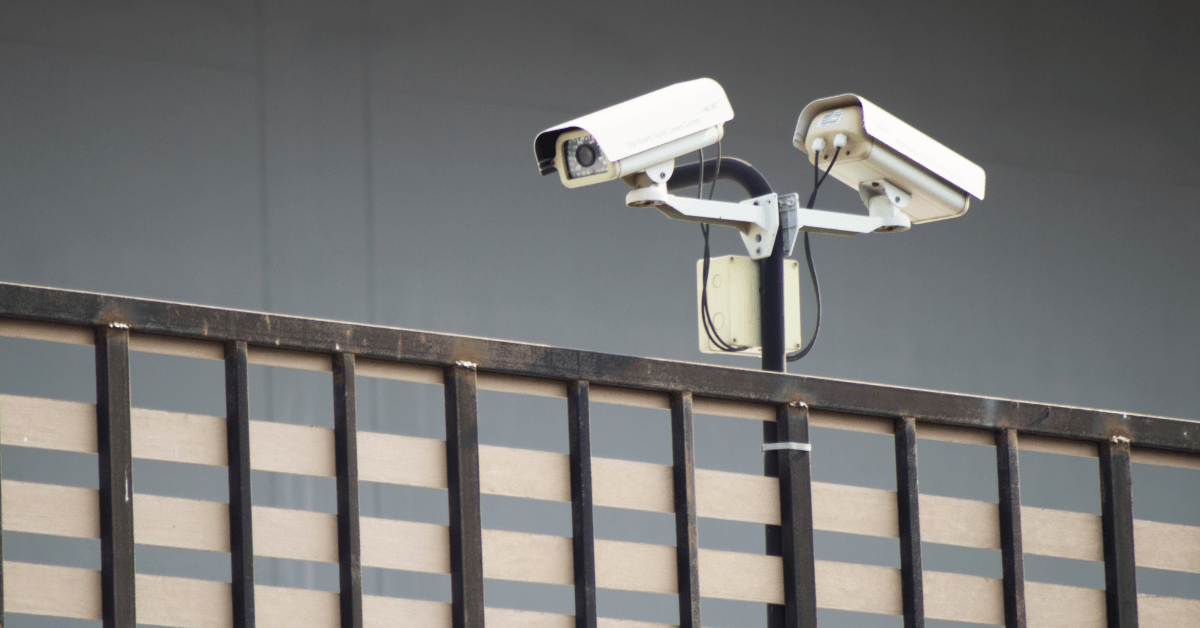
Electric fencing adds detection. When someone touches or cuts an energised fence, the alarm triggers. Connected to a monitored response system, that trigger produces an on-the-ground response rather than going unnoticed.
Gate automation and access control should be planned as part of the perimeter layout from the start, not added to it afterwards. Fencing that channels all movement toward a well-specified automated entry point creates a controlled position where cameras, intercoms, and keypads can function as intended. Our automated gates guide covers gate motor specification, safety requirements, and access control integration in detail.
Security lighting closes the gaps that cameras and electric fencing cannot cover in darkness. Motion-activated lighting along perimeter sections with limited natural light removes the conditions that make those sections highest-risk at night.
Remote monitoring connects the alarm trigger from the fence to a response centre that can dispatch a reaction unit. Without monitoring, the system detects but does not act.
Planning these components together from the start produces a coherent system. Installing them in sequence, with each component added around the constraints of what was already in place, produces a system with gaps.
A fence does not remain effective indefinitely, and an outdated or damaged perimeter can give a false sense of protection while leaving real vulnerabilities in place.
Signs that existing security fencing needs assessment:
An upgrade is also an opportunity to review the full perimeter security strategy. Replacing the fence without reviewing gate specification, camera positions, and lighting requirements misses most of the available value.
A professional security fence installation follows a clear sequence. Understanding what it should involve helps you assess whether the company you are considering is doing the job properly.

Site assessment: The installer visits the property, maps the full boundary, identifies access points and risk areas, and confirms ground conditions. A quote given without this step will miss scope.
Risk review: The site assessment findings inform the specification: fencing type, height, anti-climb profile, and integration requirements for electric fencing, cameras, and gates.
Written, itemised quotation: The quote lists fencing type, total metres, post specification, gate positions, foundation requirements, access control integration, and labour as separate line items. A single-line total price is not a professional quotation.
Layout planning: Post positions, gate positions, and cable run routes are marked before any installation begins.
Installation: Foundation posts are set in concrete or driven to specification. Rails and panels are fitted. Gate posts and hardware are installed to the agreed layout.
System integration: Electric fencing is energised and connected to the alarm system. Gate automation is commissioned and tested. Camera positions are confirmed against the new fence line.
Testing and commissioning: Every gate, every electric fence section, and every camera integration point is tested before the job is signed off.
Maintenance guidance: You receive a clear schedule of what the system needs, who to contact for service, and what to watch for between scheduled visits.
Before hiring a company, verify they can demonstrate the following:
Relevant experience: has the company installed the type of security fencing you need on properties similar to yours? Ask for examples. A confident, experienced installer provides them without hesitation.
A site assessment before quoting: no accurate quote can be given without visiting the site. This applies as much to security fence installation as it does to gate automation or CCTV.
Compliance knowledge: electric fence installers must hold a valid certificate from the Department of Employment and Labour and issue a Certificate of Compliance on completion of every installation. Any installer who does not raise this does not understand the full legal scope of the work.
Quality materials: ask specifically what materials will be used, including steel grade, galvanising specification, and coating type. Coastal properties need corrosion-resistant specifications. An inland-grade product installed near the ocean is a common and expensive mistake.
Integration capability: can the company integrate the fencing with your existing or planned CCTV, gate automation, and alarm system? A company that cannot speak to these systems will produce a fence that sits alongside your security setup rather than working with it.
Warranty and aftercare: confirm the warranty on materials and installation labour. Ask what the process is if a section fails within the warranty period. A company that is straightforward about aftercare is worth considerably more than one that is difficult to reach once the work is done.
JVN Security Solutions is a security installation company based in Cape Town with over a decade of experience planning and installing security fencing for residential and commercial clients across the Western Cape.
We conduct a full site assessment for every fencing enquiry, specify fencing materials matched to the site’s environment and risk level, and install all systems to comply with South African standards. When you contact JVN Security Solutions, you speak to someone who knows the work, knows the area, and will give you a straight answer about what your property actually needs. No padding, no shortcuts.
If you are looking for security fencing in Cape Town, contact JVN Security Solutions on 084 241 4549 for a free site assessment and written quotation.
The most widely used options are clear view fencing, palisade fencing, welded mesh fencing, steel fencing, standalone electric security fencing, and wall-top electric fencing. The right choice depends on the risk level, the boundary layout, appearance requirements, and how the fence will work with CCTV, electric fencing, and gate automation. A site assessment will confirm which option suits your specific property.
Clear view fencing is the most commonly specified residential security fencing in Cape Town. It is transparent, resistant to climbing, durable, and works well with camera coverage along the boundary. Wall-top electric fencing is a practical addition for higher-risk properties with existing boundary walls. A site assessment gives you an accurate recommendation based on your specific layout and risk level.
Commercial fencing needs are site-specific, but palisade fencing, clear view fencing, and welded mesh fencing are the most common choices for commercial perimeters across South Africa. Higher-risk commercial sites and warehouses typically combine a physical fence with electric security fencing and CCTV coverage along the full boundary. The right specification depends on the assets stored, the hours of operation, and the surrounding environment.
On higher-risk residential properties, commercial premises, and any site storing high-value assets or equipment, an electric security fence adds a detection layer that a physical barrier alone cannot provide. The ongoing maintenance and compliance requirements are worth factoring into the decision. For lower-risk residential properties with good natural surveillance and a well-specified physical fence, additional electric fencing may not be necessary.
Galvanised and powder-coated steel used in clear view and palisade fencing typically offers a lifespan of 20 to 25 years with low maintenance in standard conditions. The key variable for Cape Town properties is coastal exposure. Salt air accelerates corrosion on under-specified steel, so any fencing installed near the coast should specify marine-grade galvanising or a corrosion-resistant coating appropriate for the distance from the ocean.
Yes. Cameras can be mounted on fence posts, corner posts, or dedicated poles positioned along the perimeter. Clear view fencing is particularly well suited to camera integration because the transparent profile maintains camera lines of sight along the full boundary. Camera positions should always be planned alongside the fence layout, not after installation. Our CCTV systems guide covers camera placement and specification in detail.
A standard residential security fence installation on a prepared boundary typically takes two to four days, depending on total perimeter length, ground conditions, and whether gate posts or electric fencing are included in the scope. Commercial installations with longer perimeters or multiple access points take longer. JVN Security Solutions confirms the timeline during the site assessment.
A visual inspection of the full perimeter, including post bases, panel joints, and gate hardware, should be carried out once a year. Electric fencing energisers and connections should be tested every six months. Palisade fencing in coastal areas may need repainting every two to three years. Clear view and welded mesh fencing with quality galvanising typically requires less frequent attention. Your installer should provide a maintenance schedule at handover.
When most Cape Town homeowners think about property security, they thi
The site’s risk level determines the right security fencing for
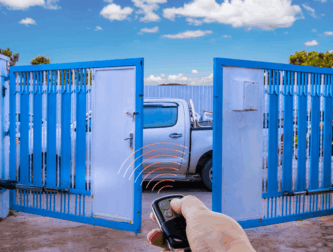
Gate motor installation is one of the most practical security upgrades

A garage door motor that is not properly matched to the door will let

[…] where the law requires it. If your assessment reveals the system is beyond economic repair, our security fencing guide covers what to consider when choosing a new perimeter security […]