3 Glen Alpine Way, Bergvliet, Cape Town
Mon-Fri 08:00 AM - 05:00 PM
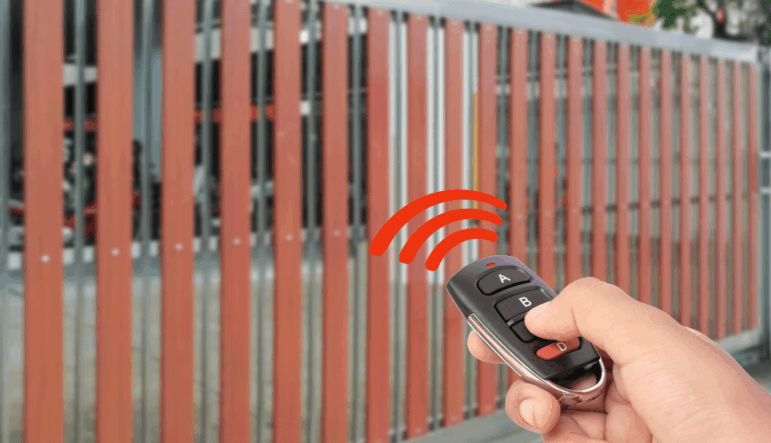
Automated gates are one of the most effective security upgrades available to Cape Town homeowners and businesses. According to Statistics South Africa’s 2024/25 Governance, Public Safety and Justice Survey, an estimated 1.5 million housebreaking incidents occurred in South Africa during that period, representing 5.7% of all households nationwide. As Cape Town Etc reports, housebreaking has emerged as the predominant crime affecting South African households during this period. An automated gate creates a physical and psychological barrier at the most important access point on your property and removes the daily exposure that comes with getting out of your vehicle to operate your gate by hand.
This guide explains how automated gates work, the different types available, and the practical factors every homeowner should think through before making a decision. If you are considering gate automation for the first time or looking to upgrade an existing setup, the information here will help you choose the right system with confidence.
An automated gate is a gate fitted with an electric motor that opens and closes automatically in response to a signal from you.
When you press a remote, enter a code on a keypad, present a proximity card, or speak through an intercom, the motor receives the signal and drives the gate through its opening or closing cycle. The gate moves along a track or on hinges, depending on the gate type. A control board manages the movement, setting the speed, the open and close positions, and how the gate responds if it meets an obstruction.
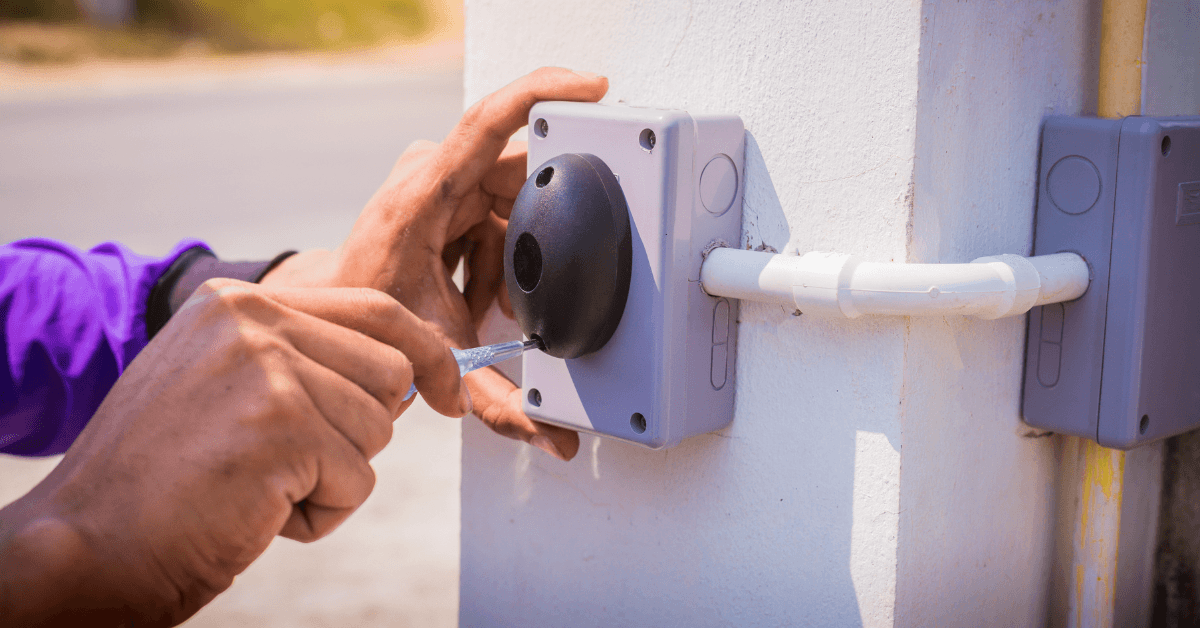
Safety beams are mounted on both sides of the gate opening at ground level. If a person, vehicle, or object breaks the beam while the gate is moving, the gate stops or reverses immediately. This is a legal requirement under South African National Standards for automated gate systems and a non-negotiable part of any properly installed setup.
On a well-specified installation, the whole system operates consistently in the background. You interact with it dozens of times a week without giving it a second thought.
Understanding what makes up an automated gate system helps you make sense of what is being installed and why each part matters.
The motor is the engine of the system. It drives the gate open and closed through a mechanical linkage designed for your specific gate type. Motors are rated for different gate weights and daily usage frequencies. A motor that is correctly specified for your gate will run efficiently for years. One that is undersized will wear out well ahead of schedule.
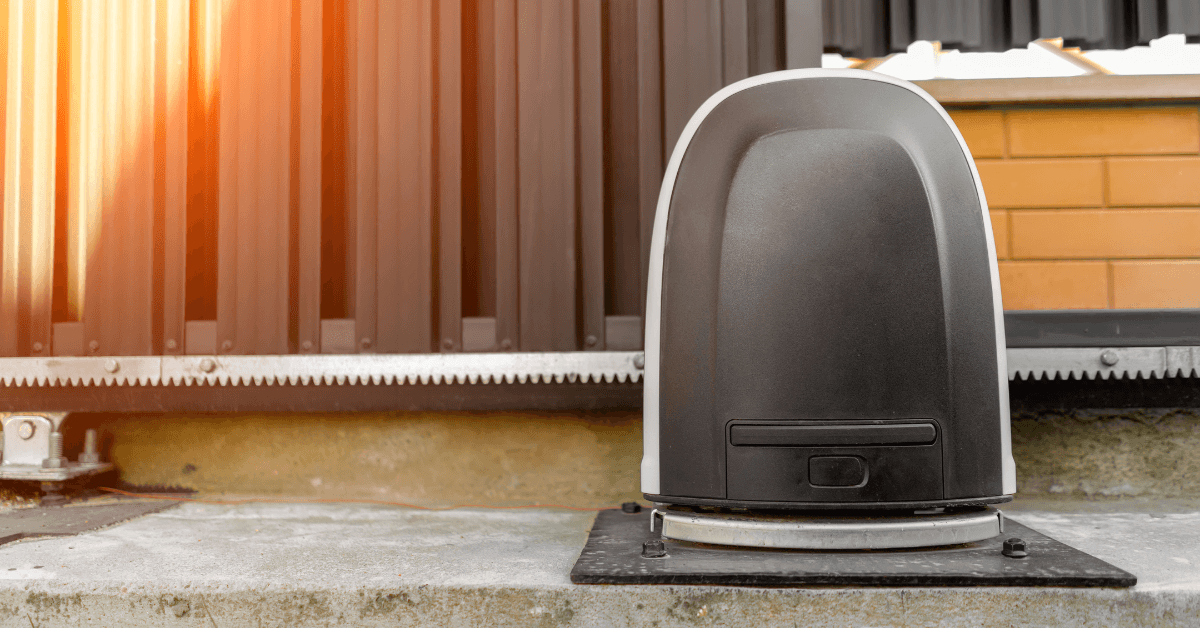
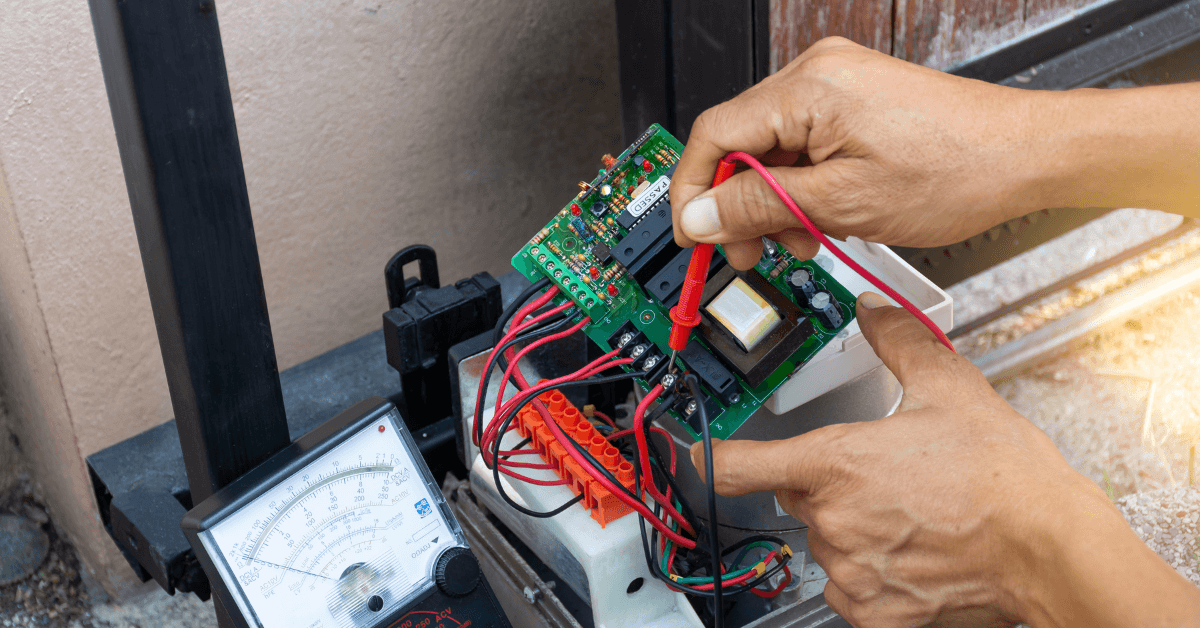
The control board manages how the gate moves, including how fast it opens, where it stops, how long it waits before auto-closing, and how it communicates with the safety beams and access control devices connected to it. A well-configured control board is what makes the system feel smooth and reliable day to day.
Safety beams are infrared sensors mounted on both sides of the gate opening. When the beam between them is broken, the gate stops or reverses. They protect people, pets, vehicles, and the motor from being caught in the gate’s path. Correctly installed and tested safety beams are a legal requirement for all automated gate installations in South Africa.
This is how you tell the gate to open. It could be a handheld remote, a wall-mounted keypad, a proximity card reader, an intercom with a call button for visitors, or a combination of these. The right interface depends on who needs access, how often, and whether you want to manage access remotely or grant it to visitors without going to the gate yourself.
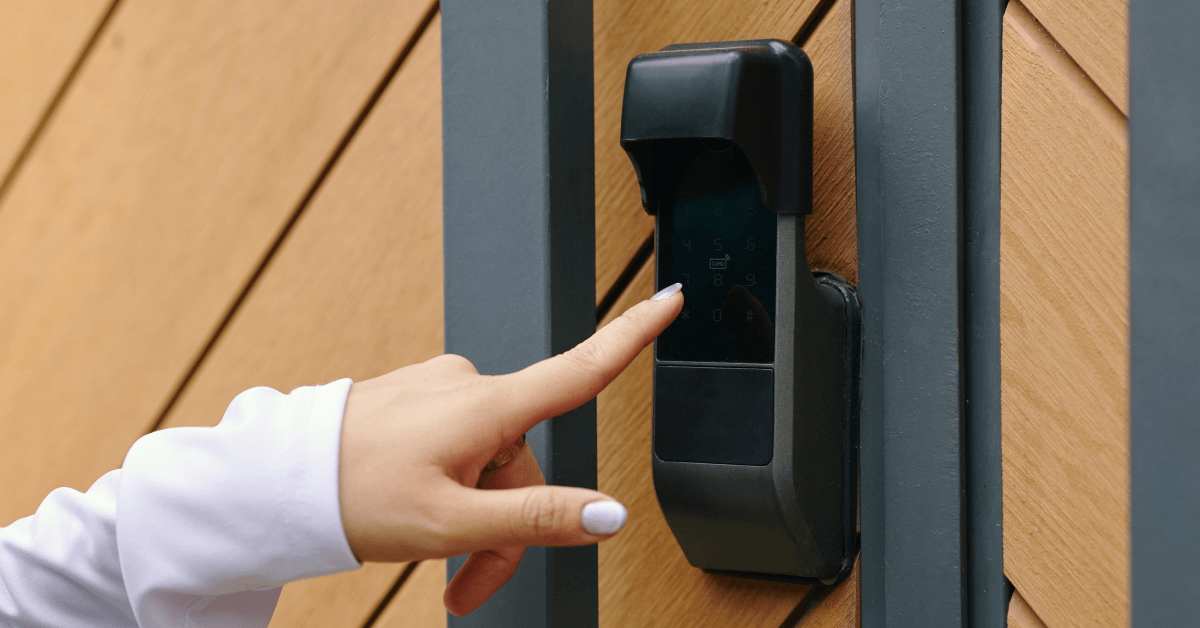
A battery backup unit keeps your gate motor running during a power outage. In Cape Town, this is an essential part of the system rather than an optional add-on. Without one, your gate stops working every time load shedding occurs, leaving your property either inaccessible or open until the power returns.
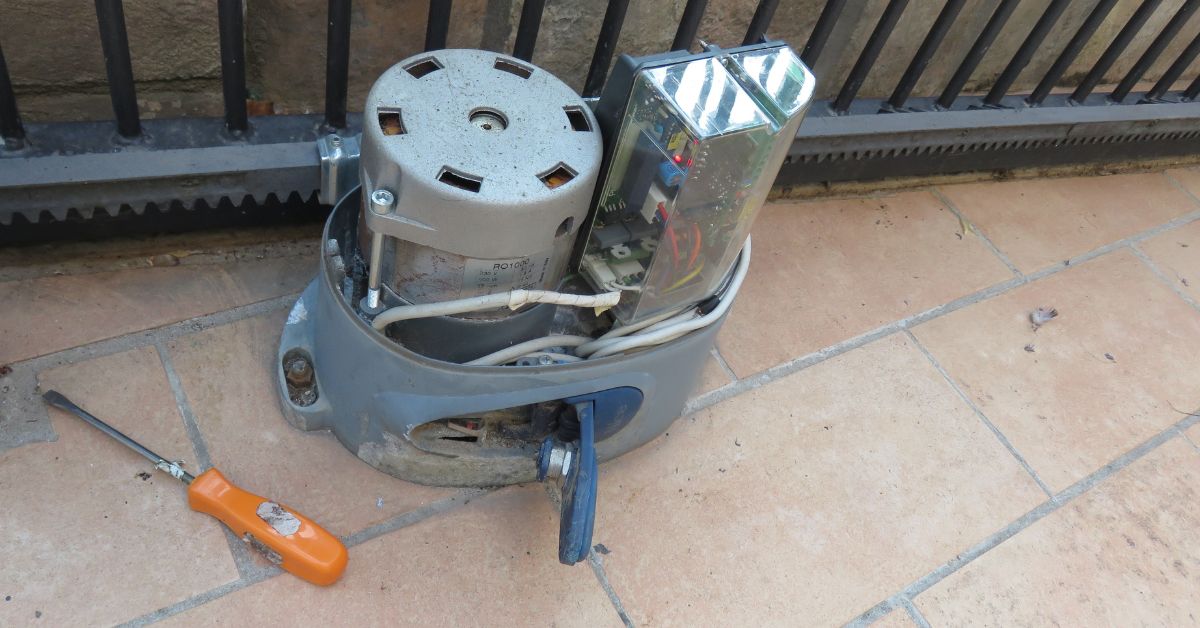
There are two main types of automated gates: sliding gates and swing gates. The right type for your property depends on your layout, the available space, and what you need the gate to do.
A sliding gate runs along a track at the base of the opening and moves horizontally along your boundary wall. Sliding gate motors are the most common choice for residential driveways across Cape Town because they work well in narrow spaces and do not require any clearance area in front of or behind the gate line.
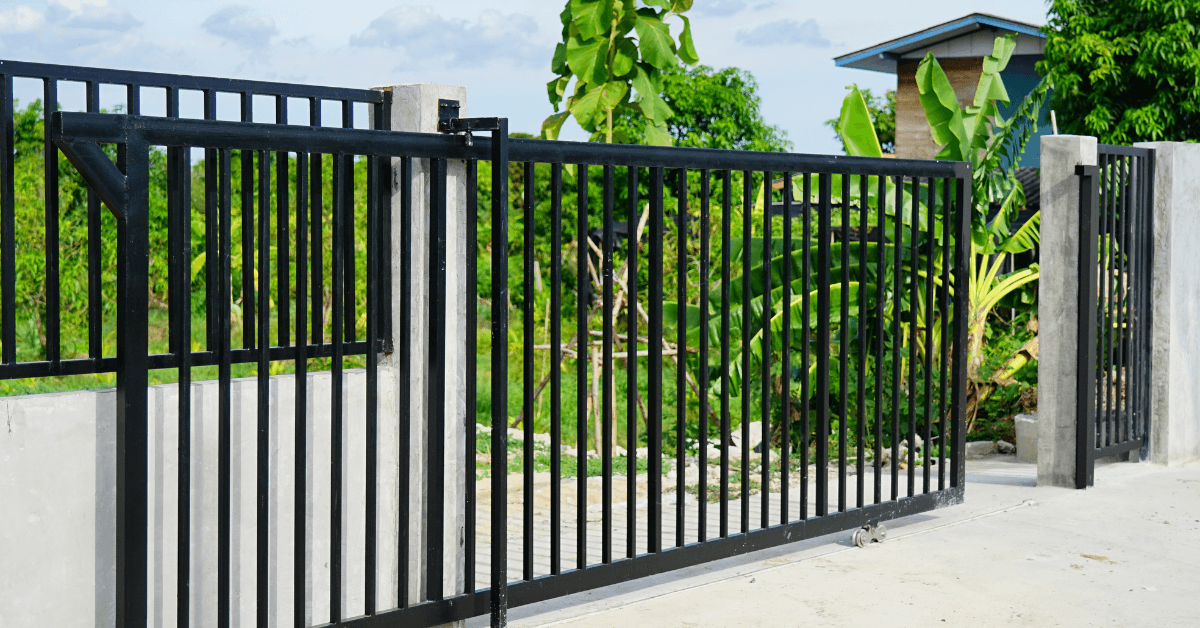
What works well:
Suits most residential driveway widths
Handles heavier gates without difficulty
Works on sloped driveways with the correct motor specification
No swing space needed, which matters on tighter driveways
What to be aware of:
The track at the base of the gate needs periodic cleaning, as sand, grit, and leaves are common in Cape Town and cause premature wheel wear if left unchecked
A worn or damaged track places unnecessary strain on the motor over time
Anti-lift brackets should always be fitted, as lifting a sliding gate off its track is one of the most commonly used forced-entry methods on automated residential gates in South Africa
Best suited to: Most Cape Town residential properties, properties with walls running alongside the driveway, and coastal properties where wall-mounted installation gives better protection from wind.
A swing gate opens inward or outward on hinges. Single-leaf swing gates use one motor. Double-leaf swinging gates require a motor on each leaf. Swing gate motors are often chosen on wider entrances where the appearance of the gate is a priority.
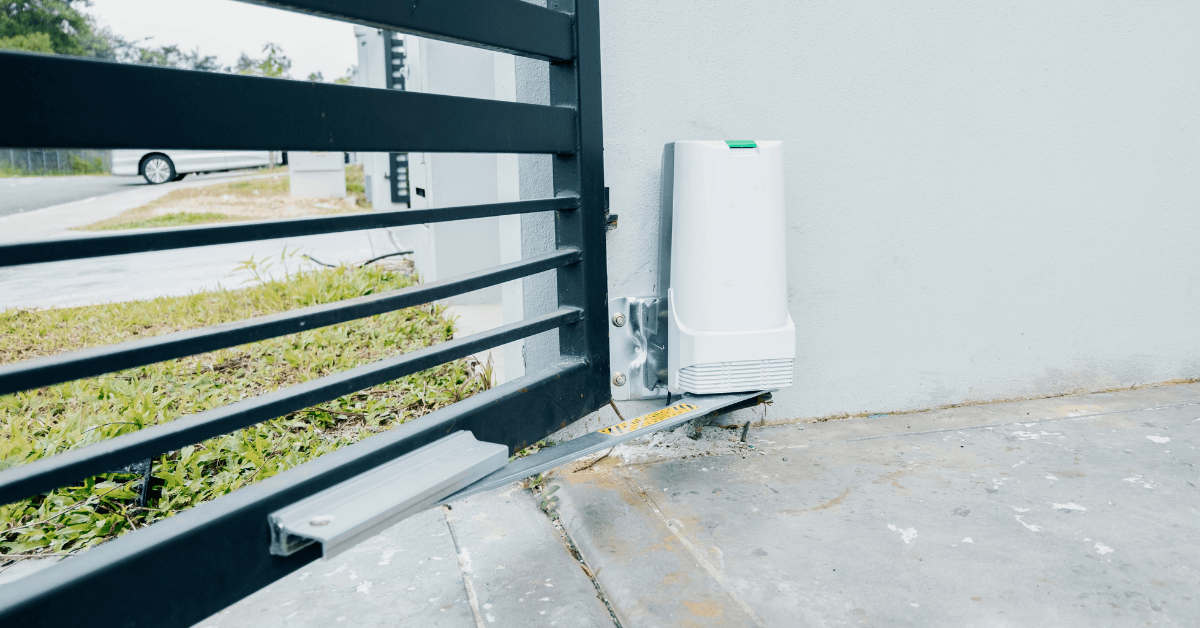
What works well:
A cleaner visual result on certain property types, with no track visible across the driveway
Simpler mechanical setup on single-leaf gates
Often preferred at estate and commercial entrances where a more formal appearance matters
What to be aware of:
Not suitable for driveways that slope toward the gate
A vehicle parked too close can prevent the gate from opening fully
Double-leaf gates require two motors, which increases the total cost
Best suited to: Properties with adequate swing clearance, wider entrances, upmarket residential and commercial properties, and single-leaf pedestrian gates.
The cost to automate a gate in Cape Town typically ranges from approximately R5,000 for a basic residential setup to R20,000 and above for advanced commercial installations. The final figure depends on the motor type, the size and condition of your gate, the complexity of the installation, and whether any preparation work is needed before the motor is fitted.
Here is a realistic picture of what gate automation costs look like across different levels:
All figures are approximate and based on current Cape Town market conditions. A site visit and formal quotation will give you an accurate figure for your specific gate and property.

Getting automated gates right involves more than selecting a motor. Several practical factors shape how well the system performs, how long it lasts, and whether it solves the security problem you are trying to address. Working through these before installation starts helps you avoid common problems and unexpected costs.
Your driveway width, the position of your boundary wall, and the slope of your entrance all determine which type of automated gate works for your property. A narrow driveway running alongside a wall is almost always better suited to a motorised sliding gate. A wider entrance with space to one side may work well with a swing gate. Assessing this properly at the outset prevents you from committing to a gate type that creates practical problems later.
A gate motor is only as reliable as the gate it operates on. If your existing gate is bent, sagging, running on worn wheels, or structurally compromised, fitting a motor onto it will not produce a reliable result. The motor will work harder than it should from the first cycle and wear out faster.
Before any motor is fitted, your gate should be assessed for structural integrity. Common preparation tasks include:
Straightening or repairing a damaged gate frame
Replacing worn or cracked track wheels on a sliding gate
Repairing or replacing a cracked or uneven track
Fitting anti-lift brackets to the base of a sliding gate
Addressing these before installation is what determines whether your system performs reliably for years or becomes a source of recurring problems.
Your gate motor needs a reliable electrical connection close to the gate. If there is no connection point nearby, a new circuit will need to be run from your distribution board. In some older Cape Town properties, the distance and routing required can be a meaningful additional cost. A good installer identifies this during the site visit and includes any required electrical work in the quotation rather than presenting it as a surprise once the work is underway.
Without a battery backup unit, your automated gate will stop working every time load shedding occurs. For most Cape Town residential properties, that means multiple interruptions per week during active load shedding schedules. A battery backup unit should be treated as a standard part of the installation. It needs to be tested periodically and replaced when it no longer holds a sufficient charge.
Salt air, high humidity, and sustained coastal wind accelerate corrosion on motor housings, control boards, and gate hardware. If your property is near the coast, from Sea Point and the Atlantic Seaboard to Bloubergstrand, Strand, and Gordon’s Bay, the hardware used in your installation needs to account for this. Motors without appropriate weather resistance fail earlier under these conditions. The South Easter and North Wester also exert real force on large gate leaves, and your motor needs to be powerful enough to operate reliably in wind without triggering false safety stops.
Safety beams are a legal requirement for all automated gate installations in South Africa. Any installer who does not include them as standard is not meeting the required specification. Beyond safety beams, these features are worth considering:
A manual release mechanism so the gate can be operated by hand if the motor or power fails
Auto-close functionality that closes the gate after a set time if it has been left open
Anti-crush sensitivity settings that limit the force applied if the gate meets resistance
Anti-lift brackets on any sliding gate to prevent forced entry by lifting the gate off the track
Automated gates need periodic maintenance to stay reliable. For sliding gates, the track and wheels should be cleaned and inspected regularly to prevent debris from causing wear. Motor components should be checked and lubricated on schedule. Safety beams and control board settings should be tested at regular intervals.
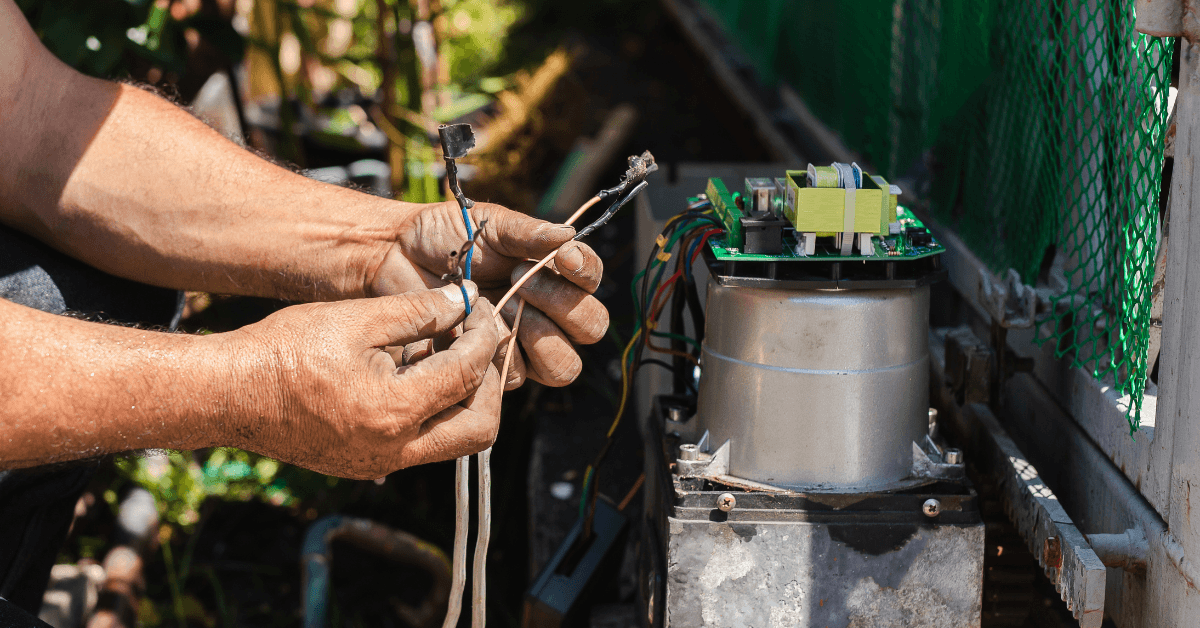
For most residential properties, a service once or twice a year is sufficient. Commercial gates and motorised sliding gates in higher-traffic locations benefit from more frequent attention. Setting up a maintenance schedule with your installer from the start is the most practical way to keep the system running reliably and catch small issues before they become expensive repairs.
A homeowner with a standard residential driveway installs a motorised sliding gate with a battery backup unit and two remotes. The system handles daily entry and exit for two vehicles and continues to operate through load shedding on battery power. Anti-lift brackets are fitted as part of the installation. An annual service keeps the track, wheels, and motor in good condition. Three years later, the gate requires no unplanned attention.
A business owner installs a swing gate on a wider commercial entrance, integrated with a keypad for staff and an intercom for visitors. Staff enter using a code. Visitors call through to reception. The motor is rated for higher daily usage than a residential gate, and the system connects to the existing access control setup.
A homeowner near the ocean specifies a motor with a corrosion-resistant housing and weatherproof components. The gate frame is treated for rust before installation, and the motor is sized to operate reliably against the South Easter. Battery backup handles load shedding without requiring any change to the homeowner’s daily routine.
A property manager works with a single installer to standardise the gate motor specification across all access points on the estate. Maintenance schedules are agreed for each gate at the outset. The installer provides one point of contact for all service and repair needs, which simplifies management considerably compared to working with multiple contractors.
The quality of gate automation near you varies considerably. Here is what to look for when making your decision:
Relevant local experience: Has the installer fitted the type of automated gate system you need? Ask for examples of similar projects. A confident installer provides references without being asked twice.
A site visit before quoting: Any reputable installer visits your property before providing a figure. A quote given without seeing your gate, your driveway, and your power supply will not be accurate.
Transparency about the specification: Your installer should tell you exactly which motor is being specified, why it suits your gate, and what the total cost includes. Vague answers to direct questions are a sign worth noting.
Knowledge of safety standards: Safety beams are a legal requirement. Your installer should be familiar with the South African National Standards that apply to installing electric gates and be able to confirm the completed system meets them.
Clear warranty and ongoing support: Confirm the warranty on the motor and the installation labour. Ask what the process is if something fails within the warranty period. A company that is straightforward to reach after the job is done provides considerably more value than one that is difficult to contact.
JVN Security Systems is an owner-managed security automation company based in Cape Town with over a decade of experience fitting automated gates for homes, businesses, and estates across the Western Cape. Every installation begins with a full site assessment. Systems are specified for your specific gate, your property layout, and your local conditions, not configured from a standard template. When you call JVN Security Solutions, you speak to someone who knows your system. View our full security services to see the complete range of what we offer.
For most Cape Town homeowners and businesses, automated gates are a practical and worthwhile investment. They add security, convenience, and real deterrence value at the primary access point to your property. The key to getting that value is making the right decisions before installation begins.
Choosing the correct gate type for your layout, ensuring your gate structure is sound before any motor goes on, including a battery backup as standard, and working with an experienced local installer who understands Cape Town conditions all determine how well your automated gate performs and how long it lasts without unplanned attention.
If you are considering automated gates for your Cape Town property and want a system specified and installed correctly, contact JVN Security Solutions for a free site assessment and quotation. Call us on 084 241 4549 or visit jvnsecuritysolutions.co.za.
When most Cape Town homeowners think about property security, they thi
The site’s risk level determines the right security fencing for
Gate motor installation is one of the most practical security upgrades

A garage door motor that is not properly matched to the door will let