3 Glen Alpine Way, Bergvliet, Cape Town
Mon-Fri 08:00 AM - 05:00 PM

When your electric fence develops a fault, the first question is not what is causing it: it is whether your property is currently exposed. This guide covers the faults that need a same-day call-out, the ones that can wait, and what you can safely check before the technician arrives. It also covers what the repair involves, what drives the cost, when a Certificate of Compliance is required, and how regular servicing prevents most of these faults from developing in the first place.
An electric security fence with a fault is not just a maintenance problem: it is a gap in your perimeter. Whether that gap needs a same-day call-out or can wait until morning comes down to two things: whether there is an immediate safety risk, and whether your property is currently exposed. For a broader picture of the security risks Cape Town property owners face, see our guide to property security risks in Cape Town.
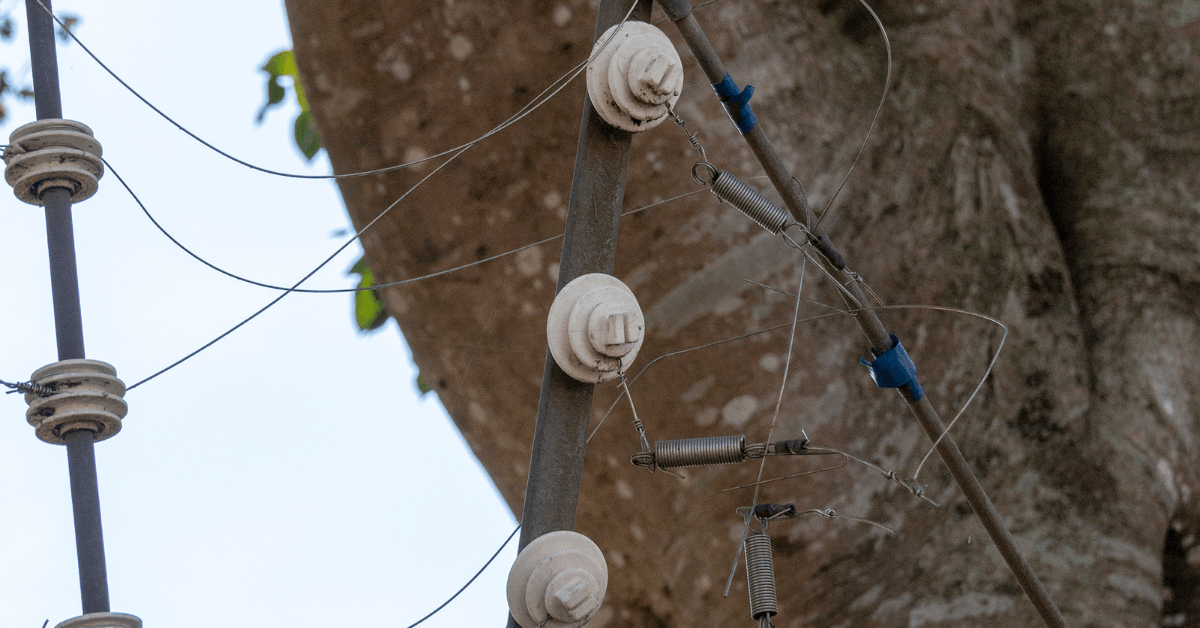
Call the same day. Do not wait:
Visible arcing or sparking anywhere on the fence line
A burning smell coming from the energiser unit
Multiple wires down after a storm or lightning strike
Total system failure: no power to the energiser, no alarm response
Any downed wire near a gate, path, or area where people or animals move
Do not ignore it, but it is not a same-day emergency:
Repeated alarm triggers with no obvious cause, but the fence is still live and pulsing
System dead after load shedding with no sign of physical damage
Gradual voltage loss noticed over several days
Alarm activating intermittently at certain times
The distinction matters. A fence triggering false alarms is a fault that needs attention, but the perimeter is still live. A fence that is completely down, arcing, or dead after a storm is an open perimeter right now. According to Statistics South Africa’s 2024/25 Governance, Public Safety and Justice Survey, an estimated 1.5 million incidents of housebreaking occurred over the year, representing 5.7% of all households in the country. A compromised perimeter does not go unnoticed for long.
If you are not sure which category your fault falls into, treat it as urgent. A five-minute call costs nothing, and JVN Security Solutions can advise over the phone whether it needs a same-day visit.
The alarm activating repeatedly does not always mean an intruder, but it does mean a fault. An electric fence alarm triggers when the system detects a drop in voltage or an interruption in the circuit. The question is what is causing it.
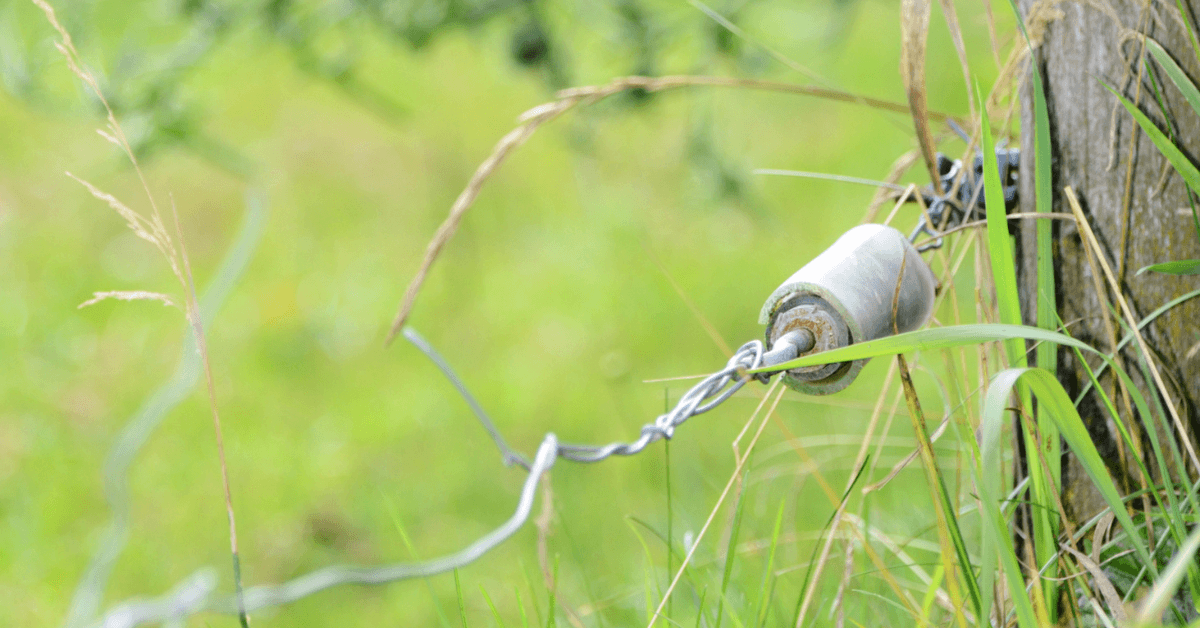
A branch or overgrown shrub touching a live wire creates a partial earth, enough to bleed voltage and trigger the alarm. This is the most common cause of repeated activation and the first thing to rule out. Switch off the energiser at the mains, trim the vegetation clear, restore power, and monitor. If the alarm stops, that was it.
A terminal that has worked loose at the energiser, a junction box, or a cutout switch creates an intermittent contact. The circuit makes and breaks, and the alarm responds. The connection may be invisible without testing equipment, which means a visual check alone will not find it.
A damaged section of wire that has not broken clean bleeds voltage without killing the system. The fence still pulses. The alarm still triggers. But the output is compromised, and the cause will not announce itself.
A large bird or animal briefly completing the circuit between a live wire and an earth wire will trigger the alarm momentarily. If activations are isolated and infrequent, and the fence is otherwise behaving normally, this may be the cause.
Repeated alarm activation that does not resolve after vegetation has been cleared is a system telling you something else is wrong. It will not repair itself. The longer it is left, the harder the fault becomes to trace, and the more likely it is to develop into a complete system failure.
When electric fence repairs are needed and when they are not: vegetation clearance is something you can handle yourself. Anything involving connections, wire damage, or a fault you cannot immediately identify requires a registered electric fence technician.
An electric fence makes a sound. A working energiser produces a regular, rhythmic tick, roughly once per second, as it pulses current through the fence line. If you know what your fence sounds like normally, any change in that pattern is worth paying attention to.
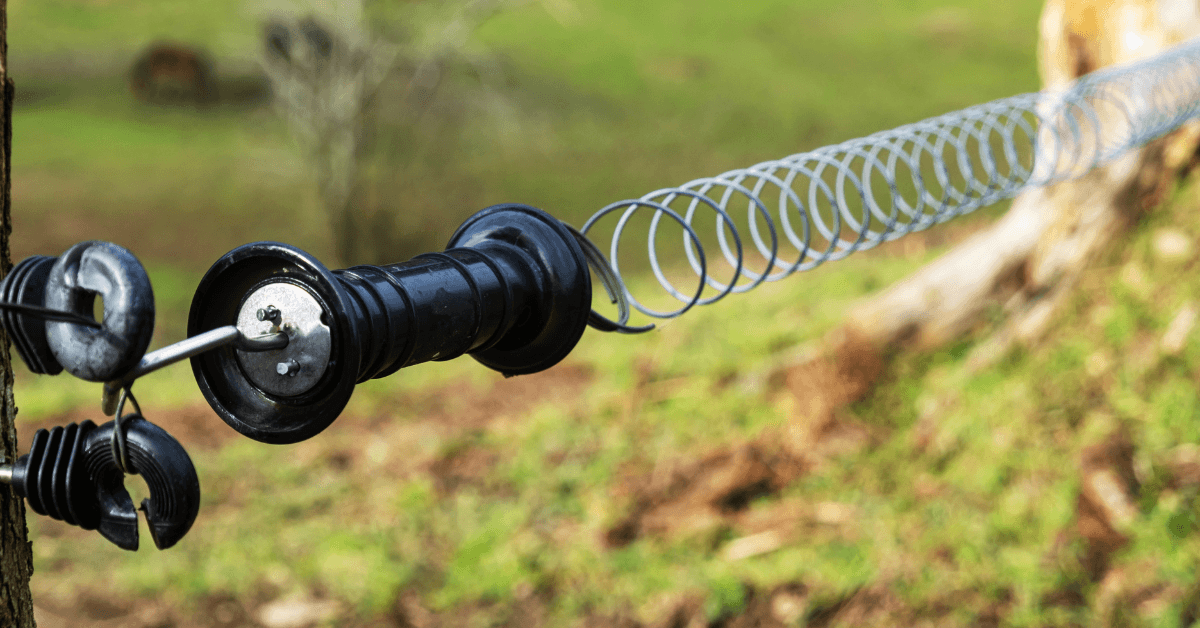
The normal pulse is quiet, even, and consistent. A fault click is irregular, louder, more aggressive, or continuous. The difference is usually noticeable to anyone who stands near the energiser for thirty seconds.
Clicking or cracking from the fence line, as opposed to the energiser unit, is almost always arcing: the electrical current jumping across a gap where it should not be. Common causes include:
A cracked or broken insulator: This causes the live wire to move close to or make contact with a metal bracket or post
A wire that has sagged or shifted: This will intermittently touch an earth surface
A break in the wire: the two cut ends are close enough that the current is attempting to bridge the gap
Beyond the electrical fault itself, arcing produces sparks. In the Cape’s dry summer months, with dry grass and plant matter near the fence line, any source of ignition is worth taking seriously. Switch the energiser off at the mains and call if you can hear active arcing from the fence line. Arcing near a gate, entrance path, or anywhere people or animals regularly move is also a same-day call regardless of season: a wire that has shifted out of position may be accessible at an unexpected height or location.
The rule: a normal tick means a working fence. Irregular clicking or cracking with no obvious cause means call the same day. Do not simply switch the fence off and leave it: without power, your perimeter is unprotected.
Voltage loss is the fault most property owners do not notice immediately, because the fence still looks like it is working. The energiser light is on, the tick is there, but the output is a fraction of what it should be. A fence running at low voltage is not deterring anyone with experience of how an electric fence should feel.
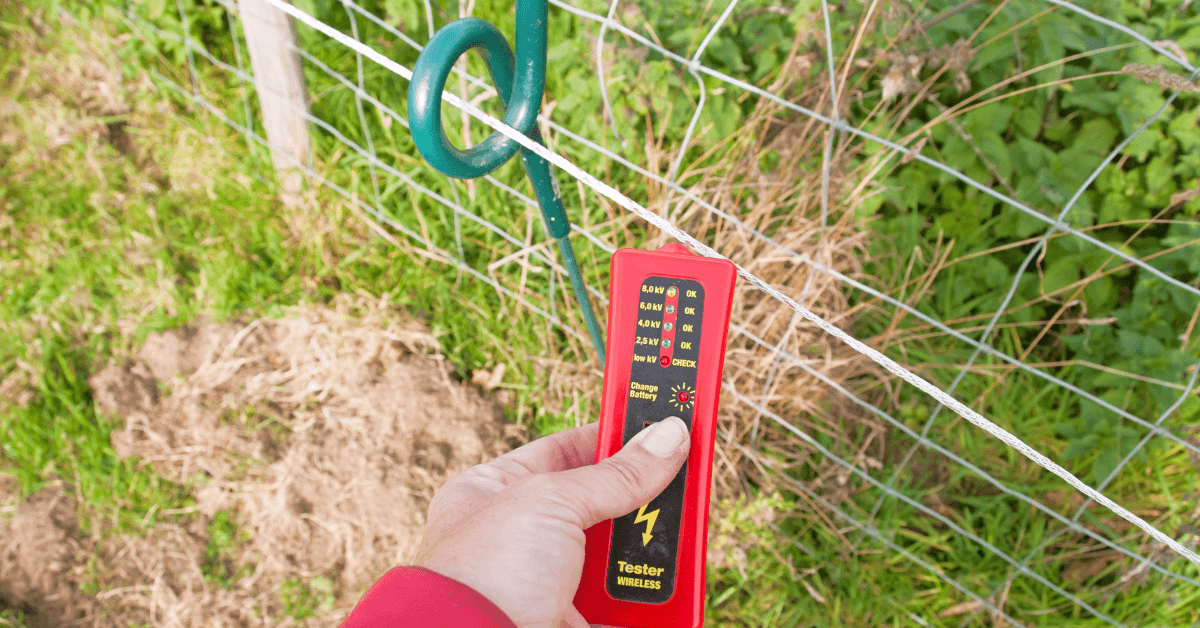
The single most frequent cause of voltage loss is an inadequate or failing earth system. The energiser sends a pulse through the live wire. For that pulse to complete its circuit, it must return to the energiser through the ground via the earth rods. If the earth system is not performing (corroded rods, poor soil contact, rods spaced incorrectly, or too few for the length of the run), the circuit is weak and voltage drops across the whole system.
This is why most people who describe electric fencing as unreliable experience it that way. The fence was never the problem. The earth was.
Here is something most installers do not explain at the point of installation: earth rod performance depends partly on soil moisture. A fence that holds voltage reliably through Cape Town’s wet winter months can show measurable voltage loss by late summer, not because anything has broken, but because the soil around the earth rods has dried out and lost conductivity. If your electric fence has become noticeably weaker through summer and recovered through winter, the earthing system is worth inspecting before assuming the energiser itself is at fault. You may need little more than additional earth rods or improved soil contact around the existing ones, rather than a component replacement.
Low voltage on an electric fence has several common causes, and identifying the right one before calling in a technician saves time and avoids unnecessary component replacements. These are the three most frequent culprits on Cape Town residential and commercial installations:
A clean break stops the circuit; a partial break or damaged insulation bleeds voltage without killing it outright. The system keeps ticking, and the fault is harder to locate because of it.
A significant amount of plant material in sustained contact with the wire simultaneously, particularly when damp, can drag voltage down across a whole run. This is different from the brief contact that triggers an alarm, and may require checking with electric fence suppliers to confirm whether the wire gauge or insulation is appropriate for the installation.
A unit that has taken surge damage, aged beyond its useful life, or developed an internal fault will produce less output than its rating. Low voltage that has appeared after a load-shedding event is the first indicator that the energiser has been stressed.
A fence at half voltage may still tick. The alarm may still be connected. But the deterrent effect is reduced to the point where the system functions as little more than a sign. That is not the level of protection your property was installed to have, and it will not be obvious to anyone who is not testing it with a voltage tester.
South Africa’s power supply is regularly interrupted by storms bringing down lines, falling trees, and municipal infrastructure failures. These events are one of the most common triggers for electric fence faults, not because of the power going off, but because of what happens when it comes back on.
When power is restored, the restoration is not always clean. The voltage spike that accompanies supply returning can trip a circuit breaker, stress surge protection components, or in some cases damage the energiser itself. This happens regardless of how new or well-maintained the system is, though a correctly specified surge arrester reduces the risk significantly.
The most effective precaution is a correctly rated surge arrester installed between the mains supply and the energiser, which absorbs the voltage spike before it reaches the energiser. If neither a surge arrester nor a UPS is in place, switching the energiser off manually when a power failure begins and back on once supply has stabilised reduces exposure to the worst of the restoration voltage in the interim.
Before calling anyone, check whether the circuit breaker supplying the energiser has tripped. This is the one safe check to run yourself. Locate the breaker on your distribution board, reset it once, and watch whether it holds. If it holds and the energiser powers up normally, that was the fault. If the breaker trips again immediately, stop: there is a fault downstream that requires a technician.
If your system runs a battery backup unit, check whether the battery has been depleted. A prolonged outage can drain the backup to the point where the system does not return to normal operation automatically when mains power is restored. If the battery indicator shows low charge, allow it to recover on mains power before drawing any conclusions about a hardware fault.
Surge damage to the energiser typically presents as one of three things: the unit powers up but produces no output on the fence, the unit does not power up at all, or the unit powers on briefly and then trips off. None of these can be resolved without a technician. A damaged energiser that is forced back into service will not self-repair and can develop further faults in the process.
Electric fence accessories designed for load-shedding protection include surge arresters fitted between the energiser and the fence line, and correctly sized battery backup units. A surge arrester absorbs the restoration spike before it reaches the energiser. These are modest additions relative to the cost of an energiser replacement, and in the current South African context they are worth fitting to any system that does not already have them.
Rain alone does not damage an electric fence. What rain does is temporarily increase the conductivity of anything in contact with the fence line: damp vegetation, a wet post, a dirty insulator. This can cause a temporary voltage drop or intermittent alarm activation during heavy rainfall. It is usually self-resolving: once the fence line dries out and any saturated vegetation is no longer maintaining contact, normal operation returns.
If your fence alarms during heavy rain and then settles, targeted vegetation management along the fence line is the likely fix, not a hardware fault.
A direct lightning strike, or a near strike where the surge reaches the fence line, can destroy an energiser in seconds. The surge travels the fence wire and overwhelms any protection in the system. This is not a repairable fault in most cases: it typically means energiser replacement, and in some instances damage to the monitoring panel and other connected components.
Signs of lightning damage: the energiser shows no response whatsoever after a storm (no indicator lights, no tick, no alarm activity) or it powers on briefly and immediately trips. If you had a working fence before the storm and nothing afterwards, lightning damage is the first thing a technician will investigate.
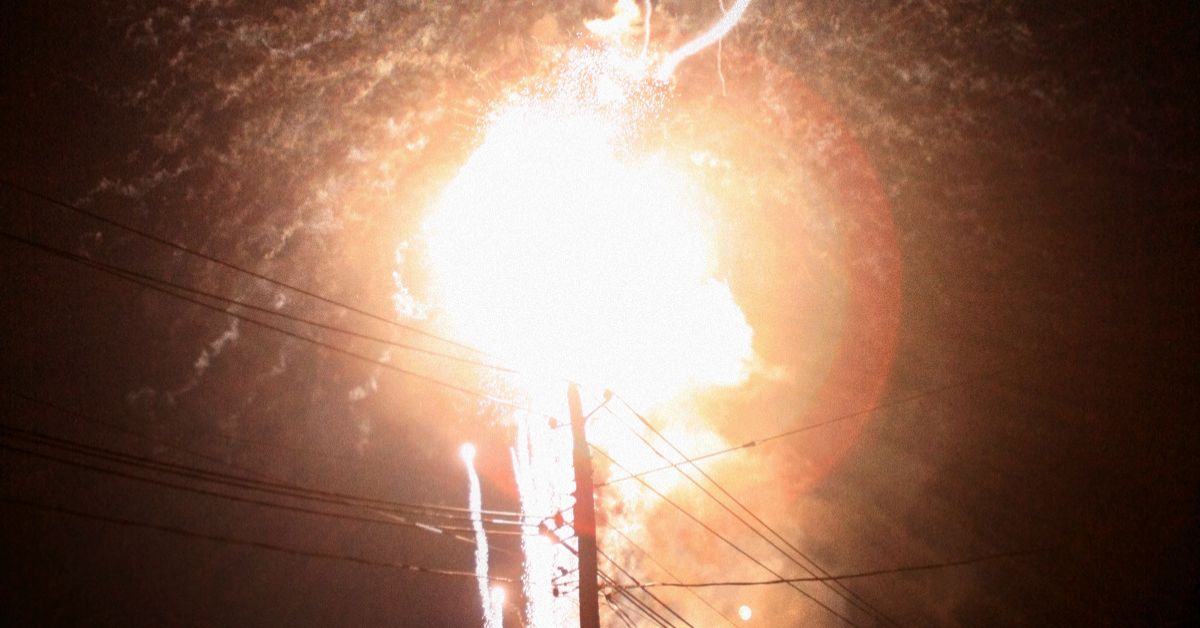
Severe Cape storms bring wind, falling branches, and debris that can bring wires down, snap brackets, and shatter insulators. After any significant storm, do a visual inspection of the fence line from the ground.
What to look for safely from a distance:
Total system failure after a storm is a same-day call. Any downed wire, whether it appears to be live or not, should be treated as live until a technician confirms otherwise. Do not attempt to reattach or move a downed wire.
The short answer: less than most people assume. Electric fence systems carry high-voltage pulses by design, and the safe checks available to a property owner without specialist equipment are limited to what can be done without touching the fence wire, the energiser terminals, or anything connected to them.
Find the breaker on your distribution board that supplies the energiser. If it has tripped, reset it once and watch. If it holds and the energiser restores, that was the fault. If it trips again immediately, stop and call.
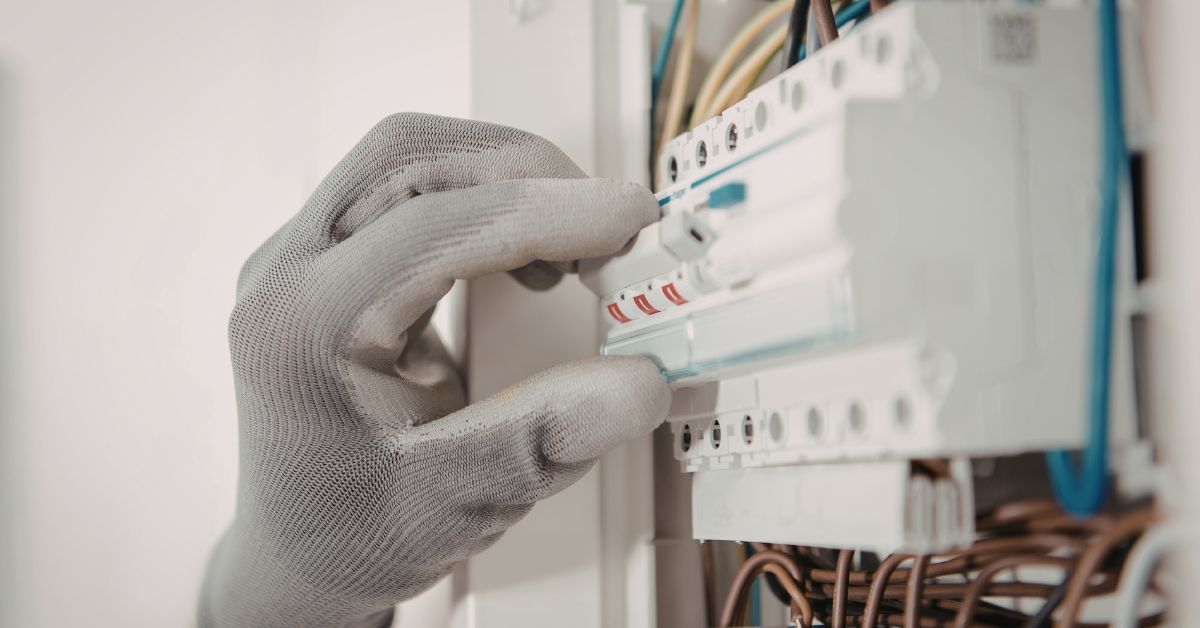
Most energisers have a status light or display panel. Check whether it is on, off, or flashing. A flashing indicator on most units signals a fault condition. A completely dark unit may simply mean no power is reaching it. This takes thirty seconds and requires no tools.
Walk the visible sections of the fence line from a safe distance. Look for obvious contact between branches or plants and the wire. If the fence is off and you can clearly see vegetation touching, switch off at the mains, trim the vegetation using a non-conductive tool, restore power, and monitor. Do not use your hands to move vegetation away from a wire you cannot confirm is de-energised.
Look for wires that have visibly pulled away from insulators, or sections of fence that have come away from brackets. Note the location and photograph it if you can: this information is useful for the technician. It is not an instruction to reattach anything yourself.
Some parts of the system should never be handled without a registered technician present, regardless of whether the fence appears to be active.
The fence wire itself, whether the system appears to be on or off
Energiser terminals or any internal components
Any downed wire after a storm: treat it as live until a registered technician confirms otherwise
Any section where you can see scorch marks or hear arcing
Vegetation clearance is within any property owner’s capability. Anything beyond that, including broken wire, insulator or bracket replacement, connection faults, energiser diagnosis, and earth system work, requires a registered electric fence installer. This is not a liability disclaimer. It is the practical reality that an untrained repair attempt often makes the fault harder to locate, and may render the system non-compliant. When looking for electric fence installers near me, look for a registered installer who will issue a Certificate of Compliance where required, not simply someone who can splice a wire and leave. JVN Security Solutions is registered to carry out electric fence repairs and issue COC certificates across Cape Town and the Western Cape.
When the energiser is identified as the source of a fault, the repair-or-replace decision comes down to four factors: the nature of the damage, the age of the unit, whether parts are still available, and whether repair is economically sensible relative to replacement.
| Situation | Likely outcome |
| Minor internal component failure on a unit under five years old | Repair is viable: faster and cheaper than replacement |
| Lightning strike damage | Replacement almost always: surge damage is typically total |
| Unit aged eight to ten years or older | Replacement recommended: components age throughout the unit; repairing one fault leaves others developing |
| Discontinued model with no parts supply | Replacement is the only practical option |
| Repeated failure of the same component | Replacement: a recurring fault indicates an underlying issue the repair alone will not resolve |
Give the technician your perimeter length, the number of wire strands, and whether you plan to extend the fence in future. Those three inputs determine the correct unit. An energiser rated below the actual perimeter length and strand count will struggle to maintain voltage: the system runs soft, and alarms trigger more easily. One substantially oversized for the installation can cause output regulation problems. Neither extreme is good for long-term reliability, and replacement is the opportunity to correct a mismatch that may have existed since the original installation.
Having the right information on hand before you call speeds up the diagnosis and avoids a second call to follow up on basic details.
Energiser brand and model number: on the label attached to the unit; photograph it before calling
Approximate age of the unit
What the energiser is or is not doing: no power at all, powers on then trips, or powers on but produces no output on the line
Repair costs are driven by the specific fault, and the specific fault can only be confirmed by a technician on site with the correct testing equipment. That said, the ranges below reflect current Cape Town market conditions and give a realistic picture of what different repair types typically involve. Figures are drawn from current South African cost data published by Kandua, and are consistent with pricing used across JVN Security Systems’ current Cape Town installations.
| Repair type | Typical cost range | Notes |
| Call-out and fault finding | R500 – R900 | Often credited against the repair cost if work proceeds |
| Emergency or same-day call-out | R800 – R1,200 | Applies to urgent security failures requiring immediate attention |
| Wire re-tensioning | R300 – R600 | Per section; varies with run length and site access |
| Wire rewiring | R180 – R350 per metre | Depends on strand count and access conditions |
| Earth rod replacement or additional rods | R800 – R1,500 | Includes materials and labour |
| Surge arrester replacement | R600 – R1,200 | Depends on energiser specification |
| Energiser replacement | R2,500 – R7,800 | Depends on joule rating and brand; residential units at the lower end, commercial at the upper |
| Annual service and maintenance visit | R800 – R1,500 | Includes testing, adjustments, and compliance check |
Four factors account for most of the variation between the lower and upper ends of the ranges above. Understanding them helps you assess a quote rather than just accept it.
A single clean wire break at a known location is a different job to an intermittent alarm trigger with no obvious cause. Fault-finding on the latter takes longer, and time is part of the cost.
A broken insulator or bracket is a minor materials cost. An energiser replacement is a substantially different figure. Whether parts need to be sourced or are available on the vehicle also affects the turnaround.
A fault on a short residential installation is located faster than the same fault type on a long perimeter with multiple zones.
If the repair alters or extends the system, a Certificate of Compliance must be issued by a registered installer. This is a legal requirement and forms part of the job, not an optional extra.
A straightforward fault on a zoned system, where zones can be isolated one by one to narrow the problem, can be diagnosed and resolved in a single visit. An intermittent fault on a single-loop perimeter, or one where the cause is not clear on arrival, takes longer. Parts availability for less common energiser brands can also affect whether the job completes first time.
Yes, in specific circumstances, it is a legal requirement.
Under the Occupational Health and Safety Act No. 85 of 1993, all electric fence systems installed after October 2012 must have a valid Certificate of Compliance. According to the Electrical Contractors Association of South Africa (ECASA), a registered Electric Fence System Installer who installs, alters, or extends an electric fence system must ensure that an EFS certificate is issued for that work.
In practical terms: if a repair alters or extends your system (new wire installed, energiser replaced, earth rods added or repositioned), a new COC is required. A straightforward like-for-like repair that leaves the system unchanged may not trigger the requirement, but confirming which category applies is the installer’s responsibility, not the property owner’s.
The certificate confirms the system has been inspected by a registered person and meets SANS 10222-3:2023, the current South African standard for electric fence systems. This covers output limits, earthing requirements, warning sign placement and spacing, and installation height.
The OHS Act prevents a change of ownership from proceeding where the COC is older than two years. A repair that generates a fresh COC, which a reputable installer will issue as part of the job, keeps your compliance current and removes that obstacle when the time comes to sell.
The COC is not an upsell. It is part of the job when legally required. If a technician completes work that triggers the certification requirement and does not produce a COC, ask for one directly. If they cannot provide it, they are either not registered or not completing the work correctly.
A registered electric fence installation, whether a new system or a compliant repair, will always include certification where the law requires it. If your assessment reveals the system is beyond economic repair, our security fencing guide covers what to consider when choosing a new perimeter security installation.
An electric fence that is not regularly maintained does not fail all at once. It degrades gradually, through corroding connections, cracking insulators, and weakening earthing, until something tips it into a fault that looks sudden but has been developing for months.
SANS 10222-3:2023, the standard governing electric fencing in Cape Town and across South Africa, sets out minimum inspection requirements. TDMI Training, a registered EWSETA-approved training provider working within this standard, describes these as follows:
Monthly: A visual walk of the fence line. Check for vegetation in contact with the wire, visible wire damage, insulator condition, and bracket integrity. This is something you can do yourself in twenty minutes.
Quarterly: A voltage and earth resistance test using a fence tester. This requires specialist equipment and, for earth resistance in particular, knowledge of what an acceptable reading looks like for your system. This is a technician’s job.
Annually: A full professional service visit covering energiser output, all connections and terminals, earthing integrity, insulator and bracket condition, and current compliance status.
A technician who arrives with the right information diagnoses faster, carries the correct parts, and completes the job in a single visit. A technician who arrives without it spends the first part of the visit gathering information they could have had before they left.
Have this ready before you call:
Energiser brand and model number. It is on the label attached to the unit. Photograph it on your phone before you call. This tells the technician which system they are working on, what output it should be producing, and whether a replacement unit needs to be on the vehicle.
What the fault is doing, specifically. “It’s not working” tells a technician very little. “The alarm activates every few hours but the fence is still ticking” or “the energiser has no lights at all since yesterday” or “there is a clicking sound coming from the southern corner” tells them quite a lot.
When it started and how it developed. A fault that appeared suddenly overnight is a different investigation to one that has been getting gradually worse over three weeks.
Whether there was load shedding or a storm in the 24 to 48 hours before the fault appeared. This is the most commonly omitted piece of information and often the most useful. Tell the technician immediately if there was an outage or a storm just before the fault showed up: it significantly narrows the cause.
Whether the system has zones. If it does, note which zone appears to be affected. This allows the technician to isolate and test systematically rather than walking the entire perimeter from the start.
Any previous repairs or modifications. If work was done on the system recently, even by a previous owner, note who did it and what was changed if known. A repair that was not completed correctly, or a modification that was not certified, is sometimes the root cause of a fault appearing months later.
When you call JVN Security Solutions, have these details to hand. It makes the diagnosis cleaner, and in most cases means the repair is completed on the first visit rather than a second.
An electric fence that is not holding voltage, triggering without cause, or showing visible damage is not doing the job it was installed to do. Most faults have a straightforward cause once a technician is on site with the right testing equipment, and most repairs are resolved in a single visit when the fault is correctly diagnosed first. The checks in this guide will help you identify what you are dealing with, confirm what is safe to inspect yourself, and go into any conversation with a repair company knowing what questions to ask.
If you need a professional to take it from here, JVN Security Systems covers fault-finding, repair, maintenance, and COC certification for residential and commercial properties across Cape Town and the wider Western Cape. When you call, you speak to someone who knows electric fence systems and will give you a straight answer about whether your fault needs a same-day visit or can wait for a scheduled appointment. A free site assessment and written quotation are provided before any work begins. For electric fence repair near me across Cape Town and the surrounding areas, contact JVN Security Systems on 084 241 4549 or visit jvnsecuritysolutions.co.za.

When most Cape Town homeowners think about property security, they thi
The site’s risk level determines the right security fencing for
Gate motor installation is one of the most practical security upgrades

A garage door motor that is not properly matched to the door will let