3 Glen Alpine Way, Bergvliet, Cape Town
Mon-Fri 08:00 AM - 05:00 PM
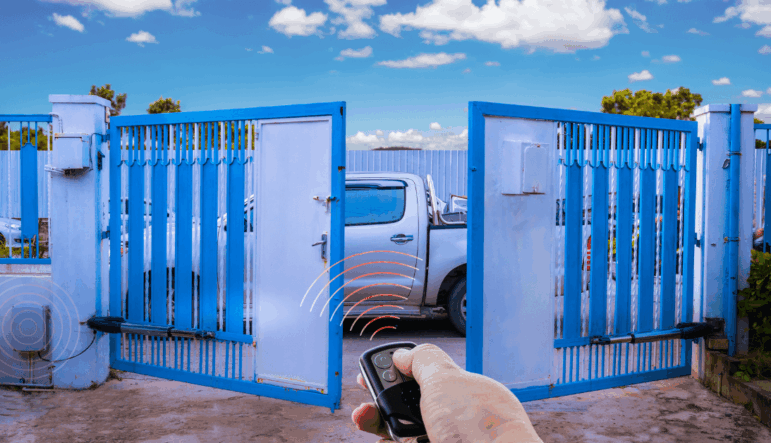
Gate motor installation is one of the most practical security upgrades you can make to your Cape Town home or business. Housebreaking remains one of the most common crimes affecting South African households, according to SAPS crime statistics. An estimated 1.5 million incidents of housebreaking occurred over the year, representing 5.7% of all households nationwide. An automated gate adds a meaningful layer of protection to your property and reduces the risk of your entrance becoming an easy target.
This guide gives you a clear picture of what gate motor installation involves before you make any decisions. You will find a breakdown of the different system types available, what gate motor installation costs look like in the Cape Town market, what the process involves from start to finish, and what to check before any work begins. Whether you are protecting a family home, a business, or a managed estate, the information here is practical and specific to Cape Town conditions.
Gate motor installation is the process of fitting an electric motor to your gate so it can open and close automatically.
This means you no longer need to get out of your vehicle to operate the gate. Instead, the system is controlled using a remote, a key fob, an intercom, or an access control system, giving you convenient and secure access at any time of day.
During installation, the motor is connected to your gate through a drive system designed for your specific gate type. A control board manages how the gate opens, how fast it moves, when it stops, and how it responds to safety features. Most modern systems include safety beams that stop or reverse the gate if an obstruction is detected, protecting people, vehicles, and the motor itself.
Gate motor installation is typically carried out on two types of gates: sliding gates and swing gates. Each requires a different motor and a different installation approach.
Understanding the two main types of gate motor systems helps you choose the right option for your property. Your gate type, driveway layout, and available space all play a role in determining which system works best for you.
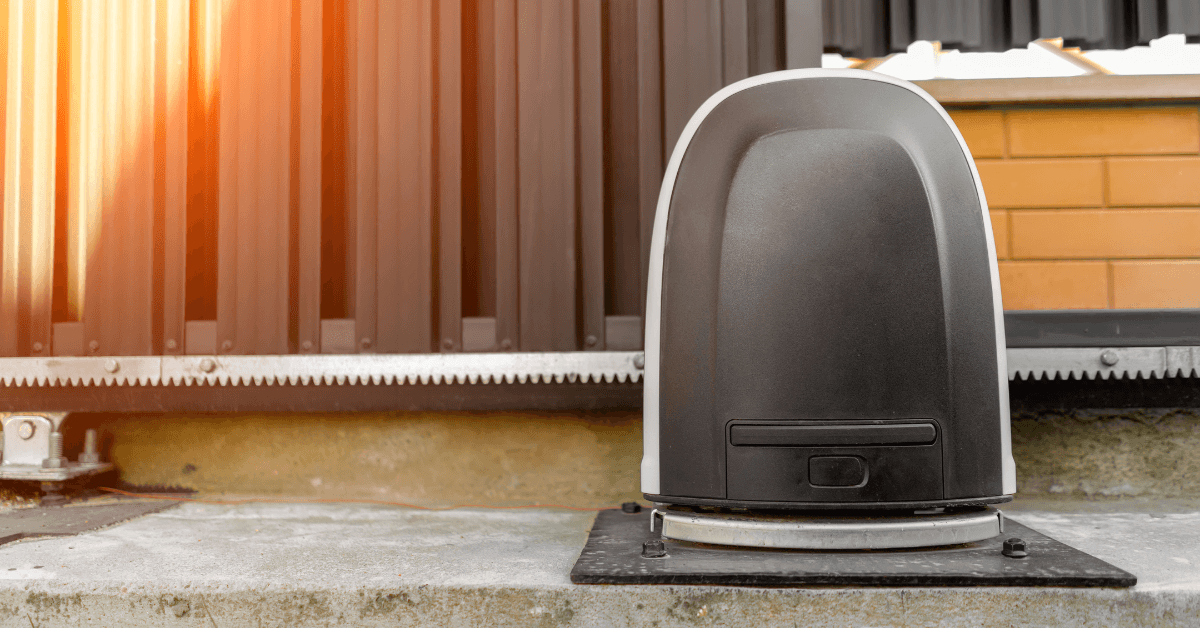
A sliding gate motor drives your gate along a track mounted at the base of the opening. The gate rolls horizontally along the boundary wall rather than swinging in or out, making sliding gate motors the standard choice for most Cape Town residential driveways.
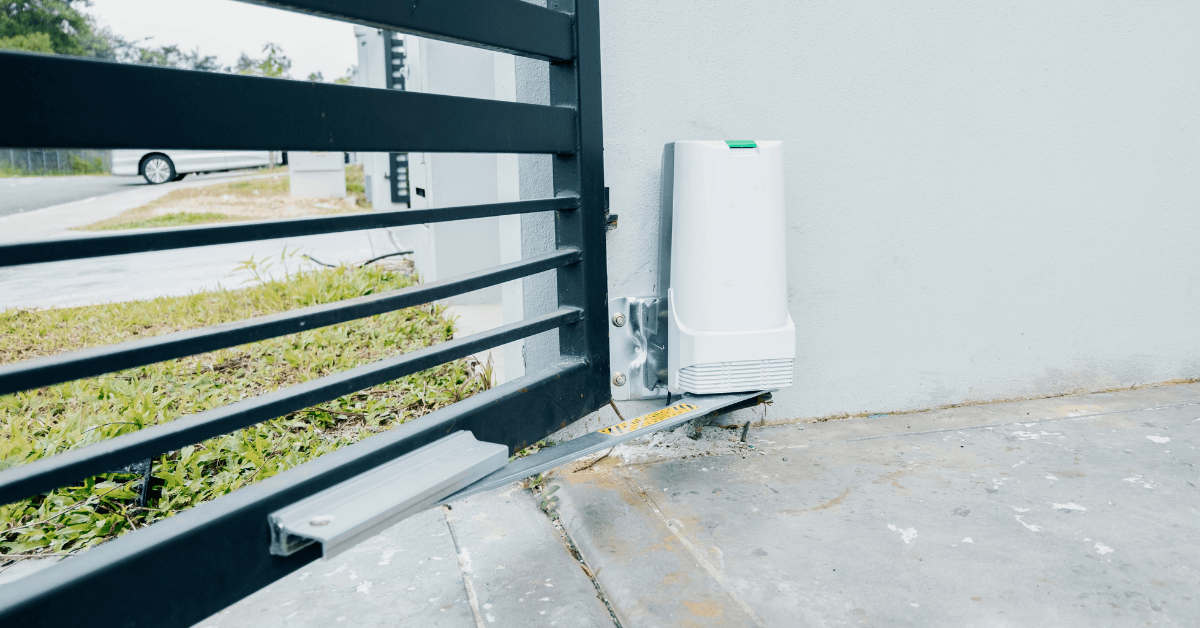
A swing gate motor operates gates that open inward or outward on hinges, similar to a large door. Each gate leaf has its own motor unit, or a single motor handles a single-leaf gate.
Gate motor installation costs in Cape Town typically range from approximately R5,000 for a basic residential setup to R20,000 and above for advanced commercial installations. The final figure depends on the type of motor, your gate’s size and weight, the condition of your existing infrastructure, and whether any preparation work is needed before installation begins.
Here is a realistic breakdown of what to expect across the different system levels:
All figures are approximate and based on current Cape Town market conditions. A site visit and formal quotation will give you an accurate figure for your specific gate and property.
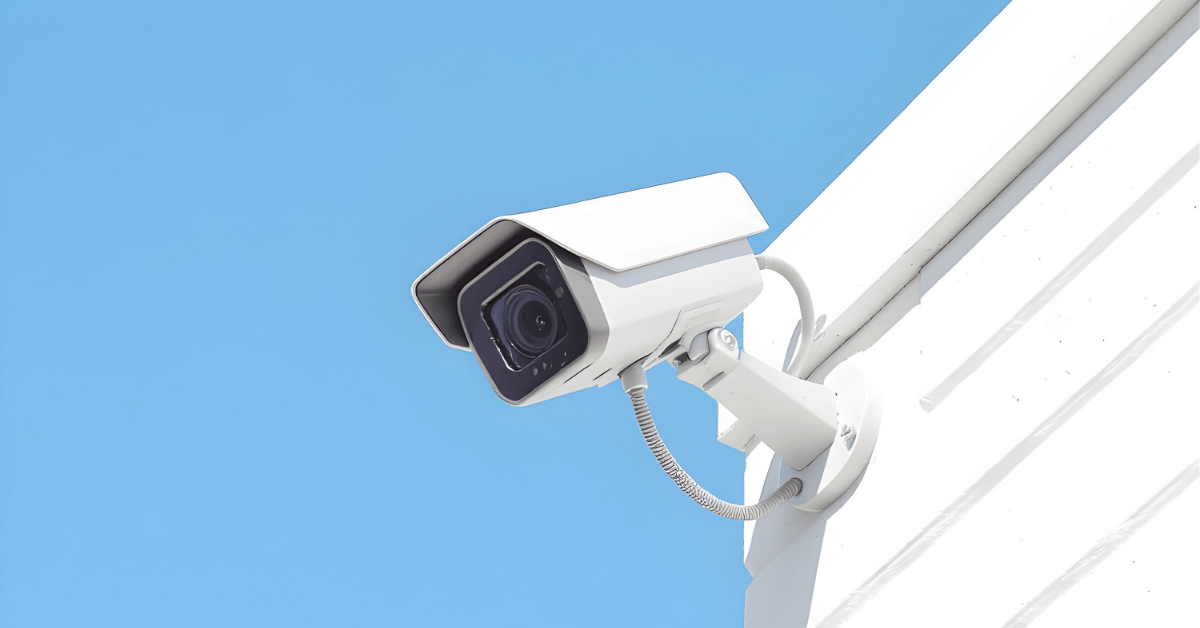
If you are also considering CCTV, JVN Security offers CCTV systems in Cape Town to complement your gate motor installation and strengthen your overall security.
Gate motor installation costs can vary significantly depending on your specific setup. Understanding what contributes to the total cost helps you compare quotes accurately and avoid unexpected expenses once the work begins.
Several core components make up the total cost of a gate motor installation. These are typically included in most quotes:
Beyond the basic components, several variables will affect how much you ultimately pay:
Understanding both what goes into the cost and what affects it puts you in a stronger position to choose the right system and avoid paying for unnecessary repairs or upgrades down the line.
A professional gate motor installation is not just about fitting the motor and handing over the remotes. Here is what a thorough installation process looks like from start to finish.
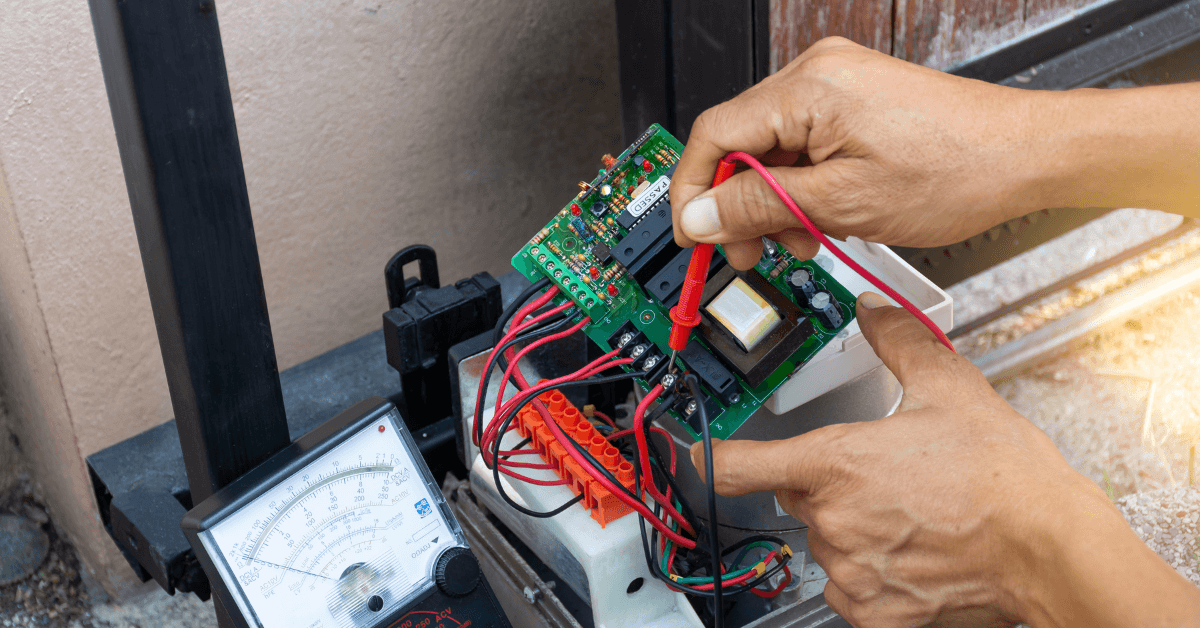
Before any work begins, your installer should visit your property to assess the gate type, size, and condition. They will check power supply availability, identify any issues with the track or hinges, take measurements, and confirm which motor is the right specification for your situation. Any quote provided without a site visit is unlikely to be accurate.
Based on the site assessment, the correct motor for your gate’s size, weight, and usage frequency is confirmed. This is not a one-size-fits-all decision. A motor that is too light for your gate will wear out early. One that is correctly specified will run efficiently for years.
The motor is mounted correctly, either on a concrete plinth for a sliding gate motor or on a purpose-built bracket for a swing gate. Cabling is run neatly and protected from the elements. Safety beams are fitted at the correct height on both sides of the gate opening.
The control board is programmed. Open and close limits are set. Safety beam function is confirmed. Auto-close timers, pedestrian modes, and any intercom or access control integration are configured and tested before the installer leaves your property.
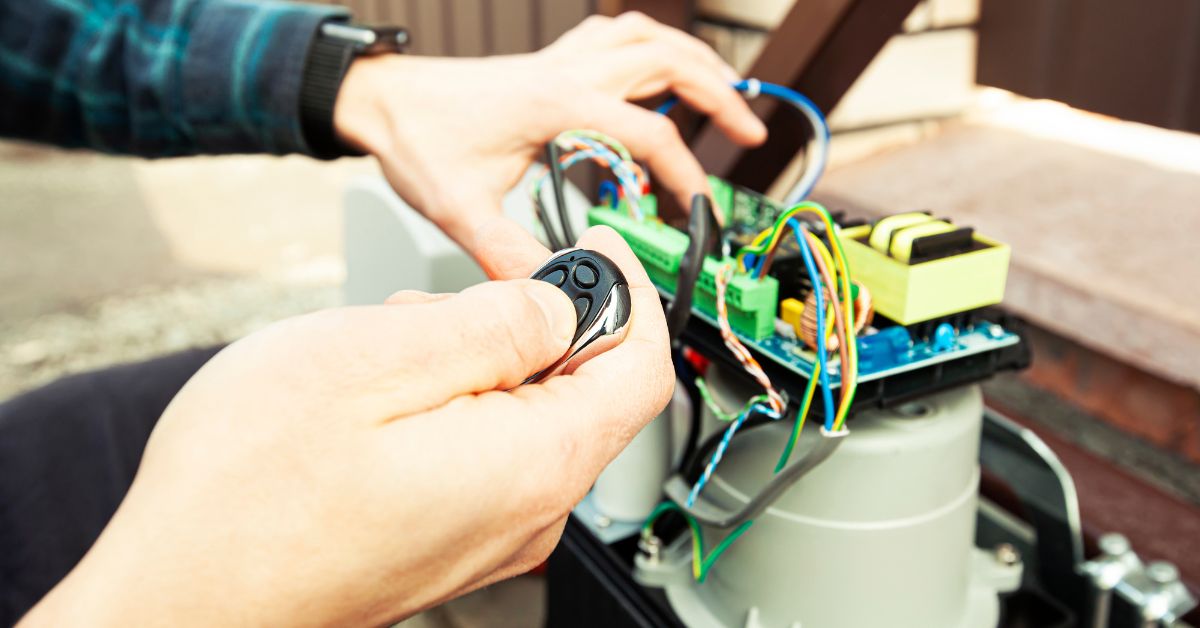
An experienced installer checks the condition of the track and wheels on a sliding gate, or the hinge condition and clearance on a swing gate. Any issues that will affect motor performance or lifespan are identified and addressed at this stage rather than after the fact.
You are shown how to use the system, how to operate the manual release in the event of a power failure or fault, and what to do if the gate does not respond as expected. A good installer does not leave until you are comfortable with the system.
You can see the full range of gate motor and security automation services JVN Security Solutions offers on the services page.
A gate motor is only as reliable as the gate it operates on. Before any motor is fitted, the condition of your gate structure needs to be assessed carefully. This is one of the most commonly overlooked factors in gate motor installation, and addressing it upfront is what determines whether your system runs reliably for years or starts causing problems early on.
A gate that is bent, sagging, or running on worn wheels places excessive strain on the motor from day one. A damaged or uneven track forces the motor to work harder than its rated capacity, shortening its lifespan significantly. A gate that is not structurally sound also creates a security vulnerability, regardless of how good the motor itself is.
Here is what should be checked and addressed before installation begins:
Addressing these as part of your gate motor installation is not an additional expense for its own sake. It is what determines whether your system is still performing reliably in five years’ time.
The most important factor when planning a gate motor installation is not whether your property is residential or commercial, but how often your gate will be used. Gate motors are designed for specific usage levels, and choosing the wrong one can lead to unnecessary strain, breakdowns, and early replacement.
The right gate motor installation depends on how often your gate is used, with low-usage systems suited to homes and heavy-duty systems designed for frequent or continuous operation.
Understanding how frequently your gate will open and close each day helps ensure you install a system that performs reliably over time.
Most homes fall into the low to moderate usage category. A typical residential gate opens and closes a handful of times a day, usually during morning and evening routines.
For this level of use, a standard gate motor installation is more than sufficient. These systems are designed for convenience and everyday reliability.
What to expect from a low-usage system:
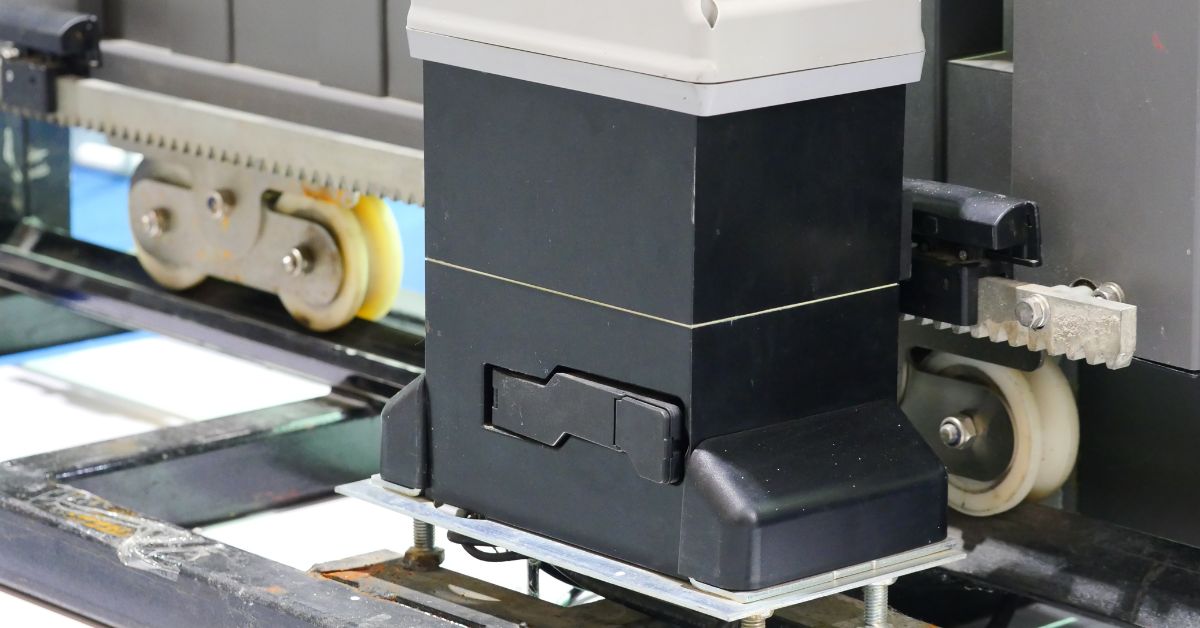
The focus is on smooth operation and ease of use, with a system that runs consistently without requiring ongoing attention.
Properties with frequent access requirements place far greater demand on gate motor systems. This includes businesses, commercial sites, estates, and any property where the gate opens and closes multiple times an hour.
In these cases, a heavy-duty gate motor installation is essential. These motors are built to handle high cycle volumes and continuous operation without overheating or wearing out prematurely.
What to expect from a high-usage system:
Installing a standard residential motor in a high-usage environment is one of the most common causes of early failure.
Choosing the right gate motor installation based on usage ensures your system can handle daily demand without failure, whether your gate is used occasionally at home or operates continuously at a busy site.
Cape Town presents specific conditions that affect how a gate motor system should be specified and installed.
Load shedding is not a peripheral consideration when planning gate motor installation in Cape Town. Power interruptions happen regularly, and a gate motor without a functioning battery backup will leave your property either inaccessible or open during an outage. A quality battery backup system should be included from the start, and it should be tested and replaced on schedule rather than only when it stops working.
If your property is near the coast, from Sea Point and the Atlantic Seaboard to Bloubergstrand, Strand, and Gordon’s Bay, your gate motor is exposed to salt air, high humidity, and persistent wind. These conditions accelerate corrosion on motor housings, electrical components, and gate hardware. Motors specified for coastal use, and gates treated for rust resistance, significantly outperform standard hardware in these environments.
The South Easter and North Wester exert considerable force on large gate leaves. Your motor must be powerful enough to operate the gate reliably under wind load, and safety systems need to be correctly calibrated so that wind-induced movement does not trigger false safety stops.
Cape Town’s residential and commercial mix ranges from small urban homes with narrow driveways to large estate properties with wide entrance gates and high-security requirements. The right motor and installation approach vary considerably across this range, and local experience matters when specifying a system for your specific property.
Gate lifting, which involves physically lifting a sliding gate off its track to create an opening, is one of the most commonly reported forced-entry methods at residential properties in South Africa. Anti-lift brackets prevent this and should be standard on every sliding gate installation. Motor theft is also a genuine risk, and anti-theft cages are a straightforward deterrent worth including in any higher-risk area.
Before any gate motor installation proceeds, it is worth working through the following with your installer.
If your gate is not properly maintained or structurally secure before installation, fitting a motor will not resolve those underlying issues. It will work around them temporarily and create more significant problems later.
A gate motor is a mechanical and electrical system operating under load every day. Getting the installation right from the start determines whether the system performs reliably or requires repeated call-outs and early replacement.
A motor that is not correctly aligned with the gate’s movement creates mechanical stress on every cycle. Over time, that stress causes wear on internal components, track wheels, and eventually the motor itself. Getting the alignment right during installation is far less expensive than repairing the consequences of getting it wrong.
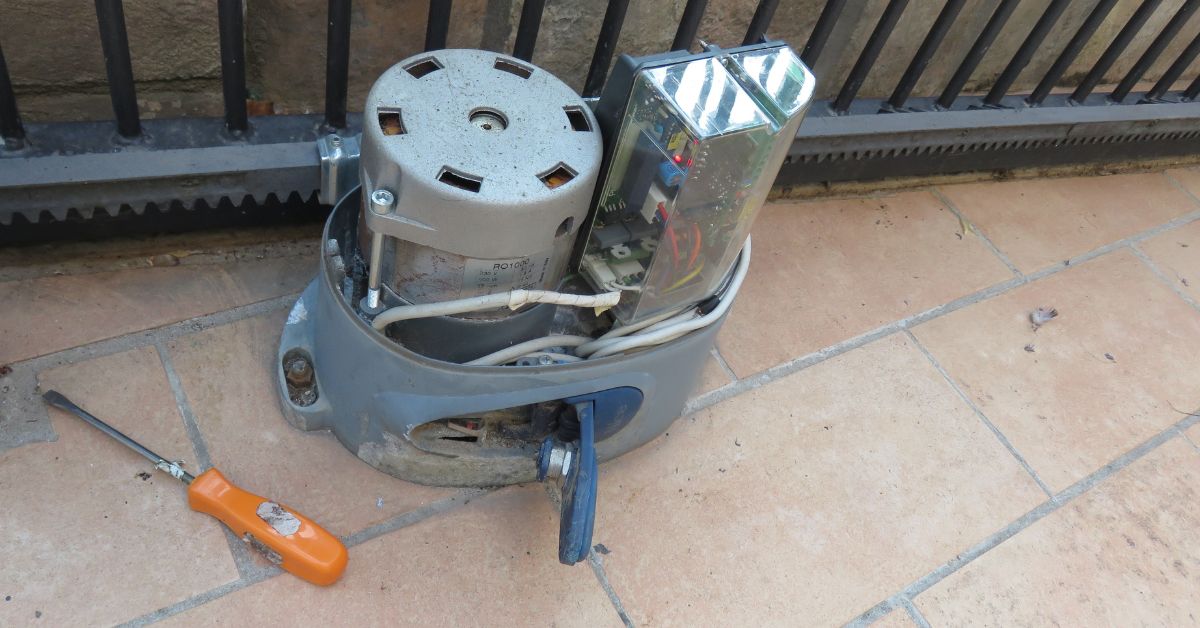
Motors are rated for specific gate weights and usage frequencies. An experienced installer specifies the correct motor for the actual load — not the minimum motor that will technically fit the application. An undersized motor working at the top of its capacity runs hotter, wears faster, and fails earlier.
Safety beams are a legal requirement under South African National Standards for automated gate systems. A properly installed system meets those standards. An improperly installed system creates liability and, more importantly, risk of injury.
Professional installers see what the average homeowner does not. Anti-lift brackets missing from a sliding gate. A motor mounted without theft protection. A battery backup unit that has not been replaced in several years. Addressing these during installation is always easier and less expensive than addressing them after a failure or incident.
The quality of gate motor installation near you varies considerably. Here is what separates a reliable installer from one who leaves you with problems to resolve after the job is done.
JVN Security Systems handles both gate automation and gate security, and structural work that makes the whole system reliable. As an owner-managed company with over a decade of experience across Cape Town and the Western Cape, we approach every installation with the same standard, correct specification, proper installation, and a system set up to perform reliably for years. When you call us, you speak to someone who knows your property. Take a look at our full security services to see the complete range of what we offer.
Automated gates are one of the most practical security and convenience upgrades available to Cape Town homeowners and businesses. The right system, correctly installed, operates reliably for years and requires very little ongoing attention beyond periodic maintenance.
Correct alignment, proper specification, and the right safety features from the start determine whether your system performs without issue or becomes a source of repeated problems. And if your gate needs structural or security upgrades before a motor is fitted, anti-lift brackets, track repairs, and wheel replacements, addressing these at the same time is always the right approach.
If you are planning gate motor installation and want a system installed correctly from the start, contact JVN Security Solutions for a free site assessment and quotation. Call us on 084 241 4549 or visit jvnsecuritysolutions.co.za.
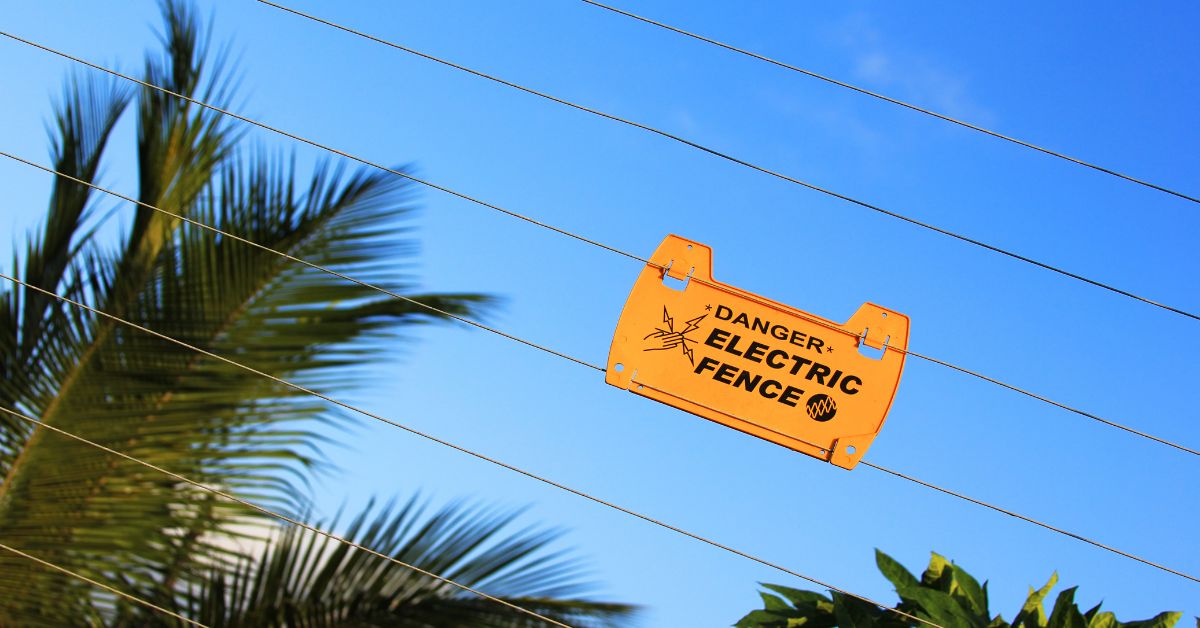
Your automated gate is the primary access point to your property, and it’s also one of the most mechanically stressed components in your security system. Gate motors operate in all weather conditions, handle the weight of heavy steel or wooden gates multiple times a day, and are often the first thing to fail during power outages if battery backups aren’t maintained.
A gate motor that opens slowly, makes grinding noises, or occasionally fails to close completely isn’t just an inconvenience — it’s a security vulnerability. At JVN Security Solutions, we install and maintain gate motors from leading brands, and we always include battery backup systems so your gate functions during load shedding or power failures.
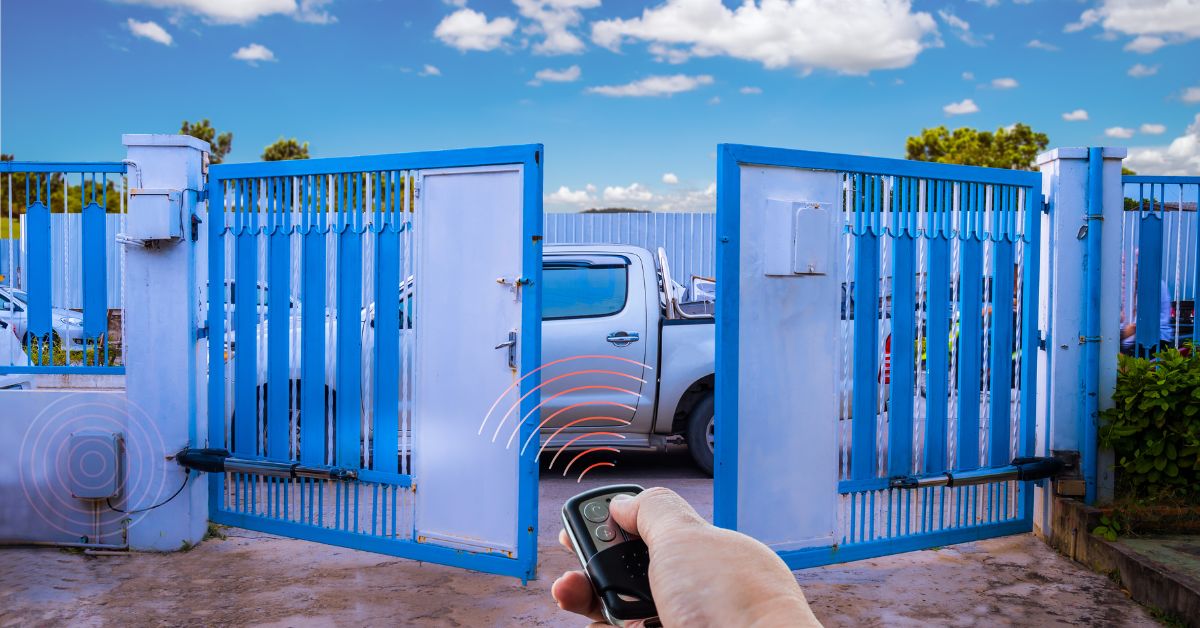
If your gate motor is older than five years and hasn’t been serviced recently, it’s worth booking an inspection. Replacing worn gears, updating firmware, and testing the battery can extend the life of your system significantly — and keep your property secure around the clock.
Surveillance cameras and alarm systems are often installed and then forgotten about. But technology ages, lenses get dirty, camera angles shift, and recording systems fill up. An alarm system that hasn’t been tested in over a year may have sensors that have drifted out of calibration or zones that are no longer reporting correctly to your armed response provider.
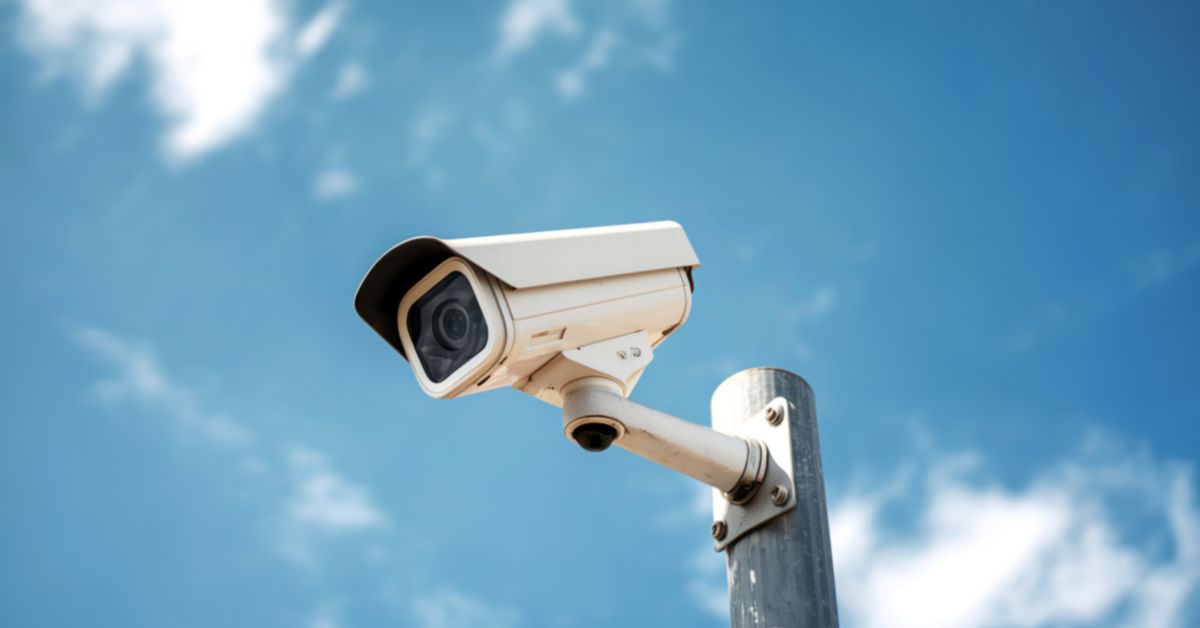
We work with homeowners to set up regular CCTV and alarm maintenance schedules. This includes cleaning camera housings, verifying recording integrity, testing all alarm zones, confirming armed response communication links, and updating access codes. It’s the kind of routine check that takes an hour but could make all the difference in an emergency.
Here’s where most security conversations stop — but where smart homeowners keep going. One of the most financially devastating risks to any property isn’t criminal. It’s water.
A burst geyser in the ceiling can flood multiple rooms in minutes. A hidden pipe leak behind a wall can cause structural damage and mould growth over months before it’s even detected. A backed-up sewer line can render parts of your home unusable. These aren’t dramatic scenarios — they’re common occurrences that plumbers across Cape Town deal with daily.

We always advise our clients to think about property protection holistically. The same discipline that goes into maintaining your electric fence and gate motor should extend to your plumbing, geyser, and drainage systems. For homeowners who want to stay ahead of these risks, having a trusted plumbing partner is essential. We’ve had good experience referring clients to Absolute Plumbing Cape Town — they’re a well-established team with over 15 years in the industry, covering leak detection, geyser servicing, drain cleaning, and emergency repairs across the Cape Peninsula.
When your security systems and your home infrastructure are both well maintained, you’re protecting your property against the full spectrum of risk — not just the obvious ones.
The most security-conscious homeowners we work with don’t just react to problems. They prevent them. Here’s a simple annual routine that covers the essentials:
Every 6 months: Electric fence inspection and service, gate motor check and battery test, CCTV system review and recording verification.
Annually: Full alarm system test with your armed response provider, geyser inspection and compliance check, water meter leak test, drain camera inspection on older properties.
As needed: Gate motor repairs or upgrades, electric fence extensions or modifications for property changes, plumbing repairs for any visible issues (damp patches, slow drains, unusual water bills).
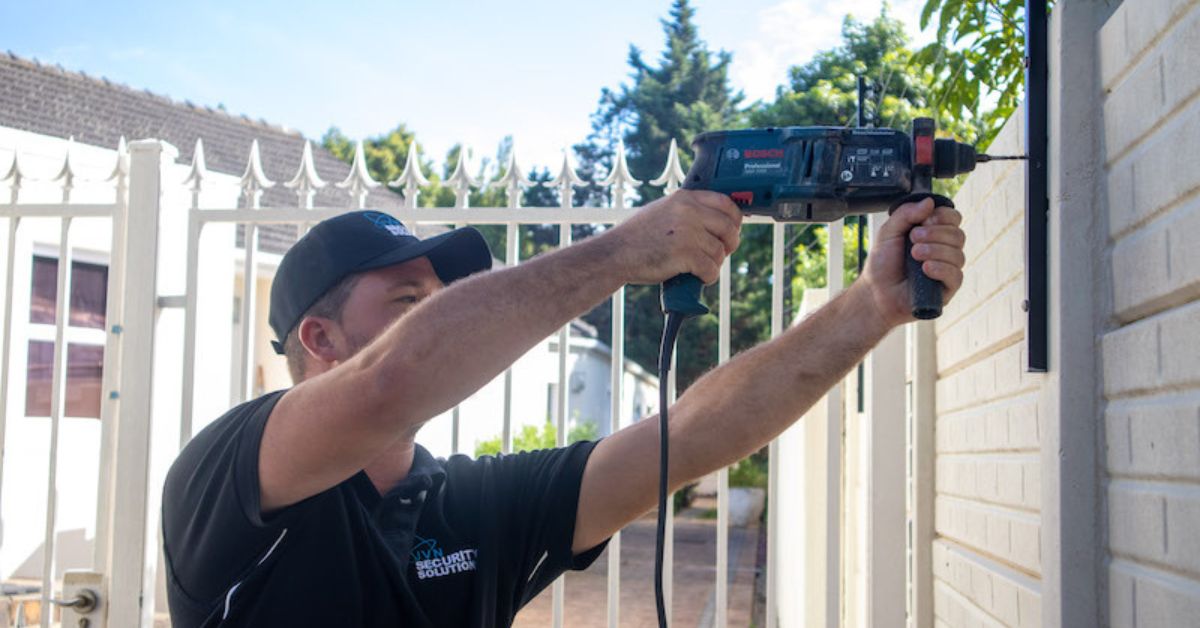
This kind of schedule doesn’t require much time or money. What it does require is the right partners — professionals who are proactive, reliable, and genuinely invested in keeping your property safe.
We’re an owner-managed security automation company based in Cape Town with over a decade of experience serving residential, commercial, and industrial clients across the Western Cape. Our focus has always been on personal service, quality workmanship, and long-term relationships with the people we work for.
From electric fence installations and gate motor fitments to full security automation systems, we handle every project with the kind of attention to detail that comes from knowing our name is on the work. We’re not a call centre. When you phone us, you speak to someone who knows your property and your system.Ready to get your security sorted? Contact JVN Security Solutions on 084 241 4549 or visit jvnsecuritysolutions.co.za for a free consultation.
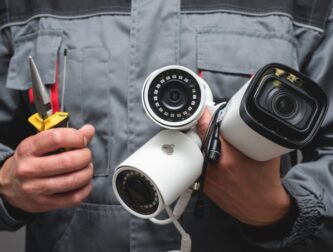
When most Cape Town homeowners think about property security, they thi
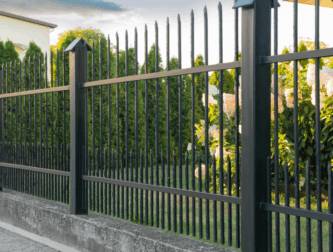
The site’s risk level determines the right security fencing for
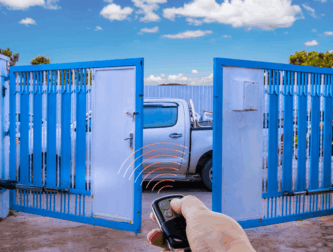
Gate motor installation is one of the most practical security upgrades

A garage door motor that is not properly matched to the door will let