3 Glen Alpine Way, Bergvliet, Cape Town
Mon-Fri 08:00 AM - 05:00 PM
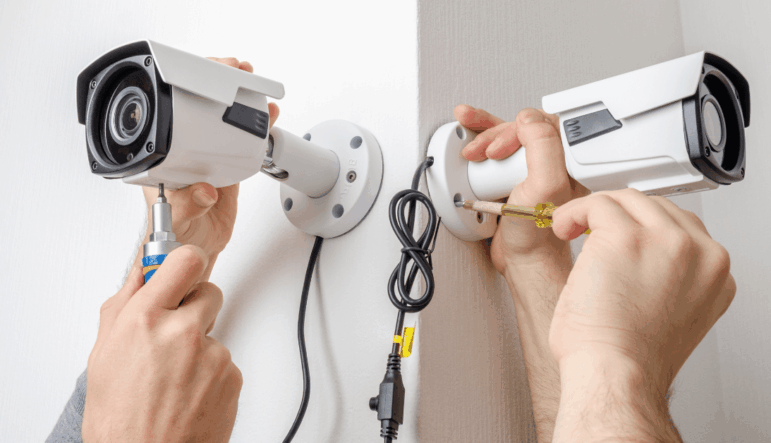
CCTV systems in Cape Town have become a practical necessity for homeowners, businesses, and property managers across the Western Cape. According to SAPS crime statistics for 2023/2024, residential burglary remains one of the most common property crimes in South Africa, with provinces like the Western Cape consistently recording high volumes of incidents. A well-designed CCTV system deters criminal activity, creates a verifiable record if something does happen, and gives you real-time visibility of your property from wherever you are.
This guide covers everything you need to make a confident decision about CCTV systems in Cape Town. We walk you through how CCTV systems work, the different system types available, what installation costs look like in the local market, and what to look for when choosing an installer. Whether you are protecting a family home, a commercial property, or a managed estate, the information here is practical and specific to the Cape Town context.
CCTV stands for Closed-Circuit Television. Unlike a broadcast signal, footage from a CCTV camera system is transmitted only to defined monitors, a recording device, or authorised users. This means the footage remains private and is only accessible to people you choose to give access to.
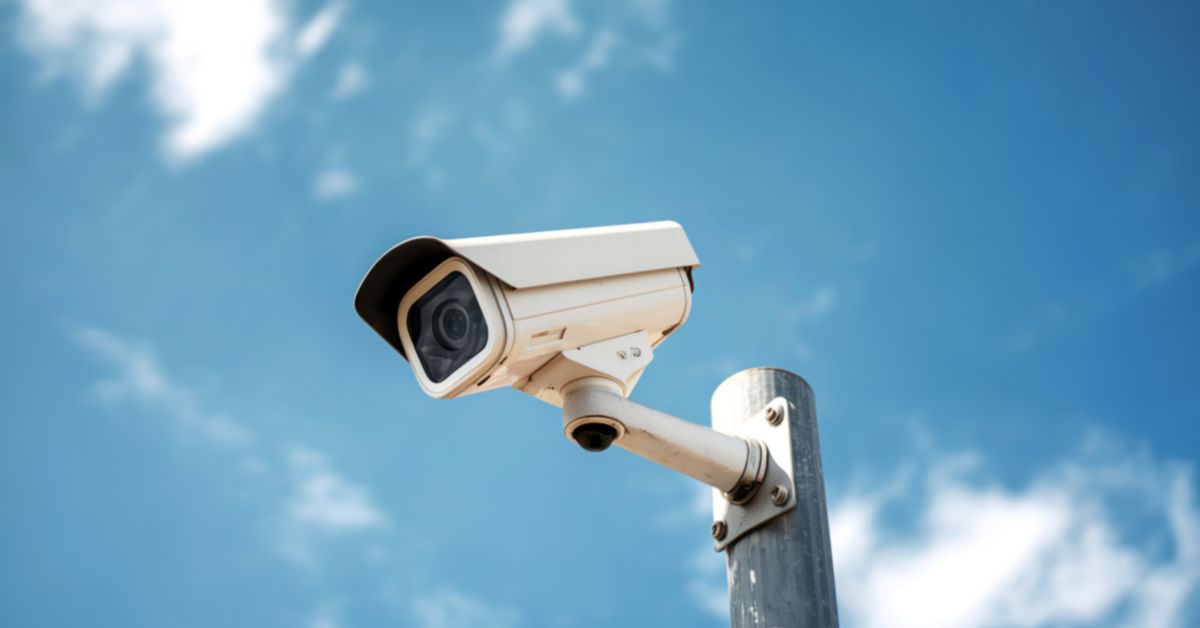
Every CCTV system has three core components working together:
1. Cameras: These capture footage of a defined area. They vary in resolution, viewing angle, night vision capability, and how well they handle weather exposure. The camera is what most people picture when they think about CCTV, but it is only one part of what makes a system effective.
2. Recording Device: This stores the footage. Analogue-based systems use a DVR (Digital Video Recorder), while IP-based systems use an NVR (Network Video Recorder). Both save footage to a hard drive, either continuously or when triggered by motion. Some systems also use cloud-based storage as a supplement or alternative to local storage.
3. Monitoring and Access: This is how you access and review footage. It might be a screen on site, a smartphone app for remote access, or a connection to a professional 24-hour control room. Only authorised users can view the footage based on the permissions you set.
Not all CCTV systems are built the same way or suited to the same situations. Understanding your options is the first step to choosing a system that fits your property, your budget, and your risk profile. Here is a breakdown of the main CCTV systems in Cape Town and when each one makes sense.
Wired systems run physical cables, typically coaxial or Cat6 Ethernet, from cameras to a central recording unit. They are the most reliable option for permanent installations.
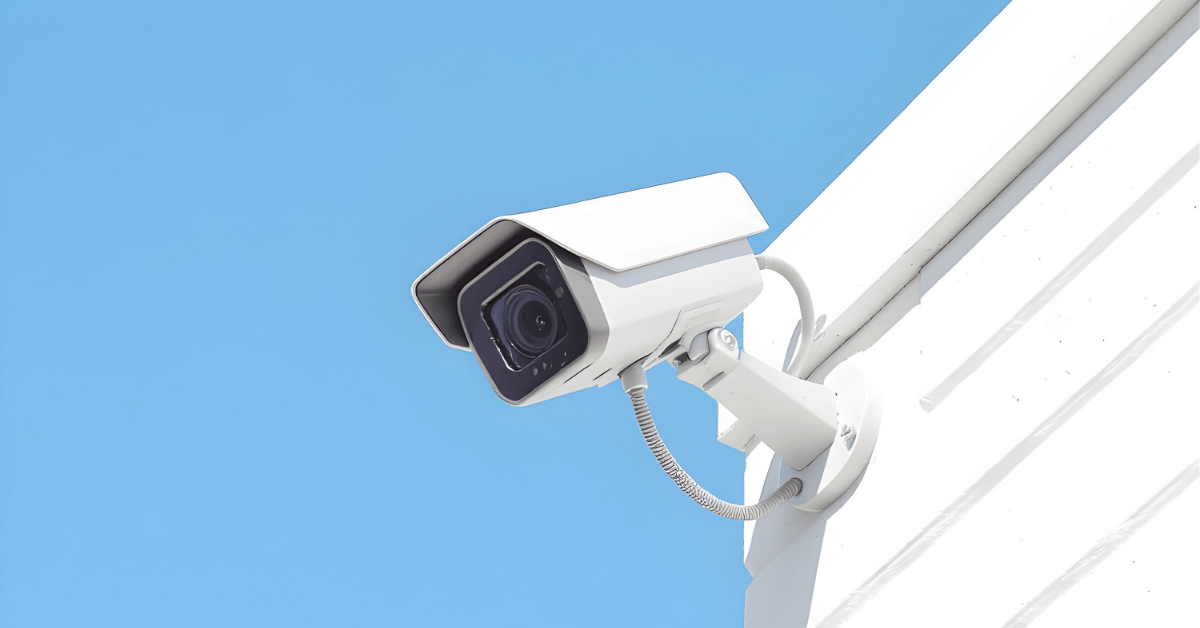
Wireless cameras transmit footage over Wi-Fi or a cellular connection to a recording device or cloud-based storage.
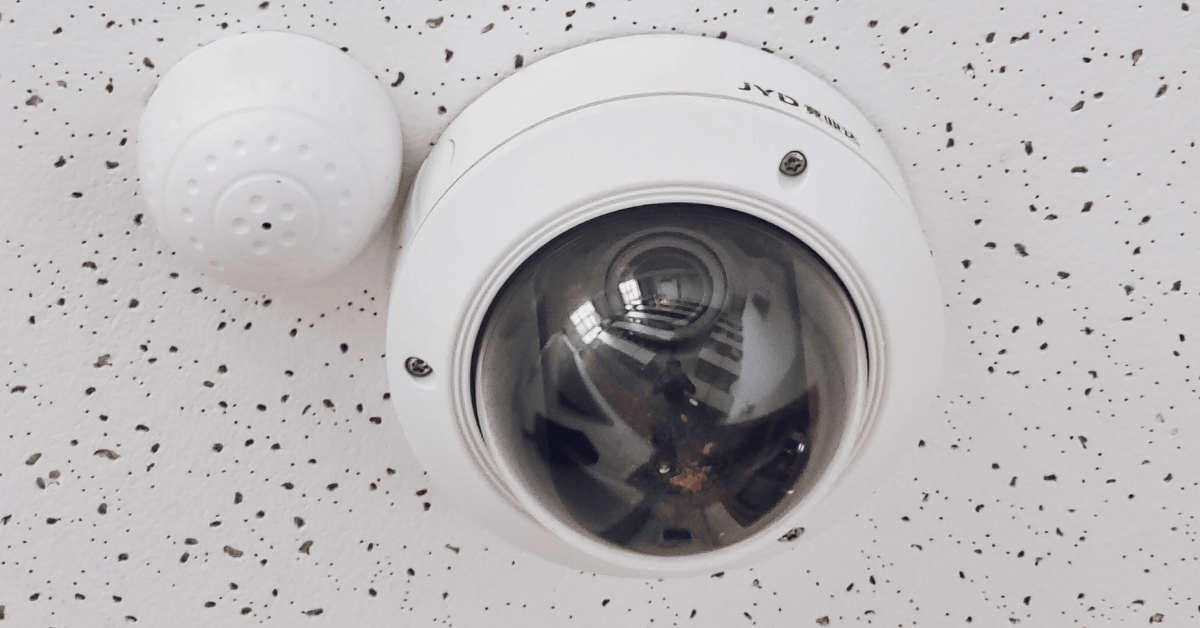
IP cameras capture and transmit digital video over a network, connecting to an NVR. They represent a meaningful step up in image quality and capability compared to older analogue systems.
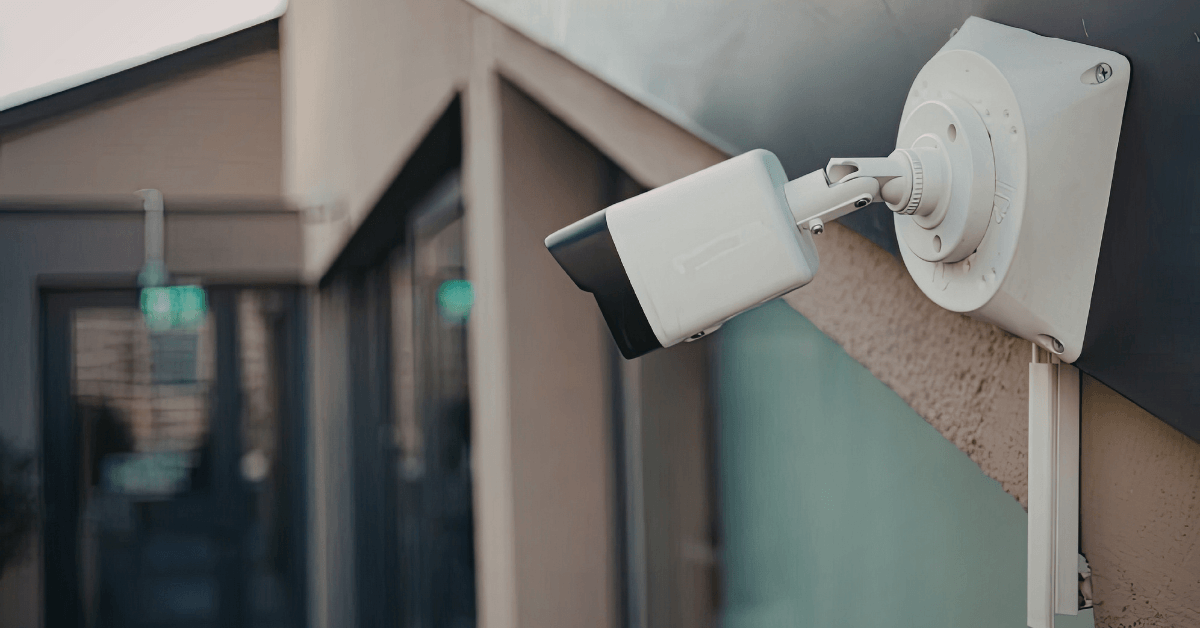
Smart CCTV systems integrate with apps, cloud platforms, and smart home ecosystems, giving you live visibility of your property from any device, anywhere.
CCTV systems in Cape Town range in price from approximately R3,000 for a basic residential setup to R20,000 and above for advanced commercial installations. The total CCTV installation cost depends on the type of system, the number of cameras, how complex your property is to cable, what features you need, and what you are protecting.
Here is a realistic picture of what CCTV camera prices and installation look like across the different system levels:
All figures are approximate and based on current Cape Town market conditions. Hardware pricing and labour rates shift over time. A site visit and formal quotation give you an accurate number for your specific property.
If you want a rough estimate before requesting a quote, the CCTV Technologies cost calculator is a useful starting point.
The cheapest quote is rarely the most cost-effective outcome. A system with incorrectly positioned cameras, undersized storage, or substandard hardware will underperform. Repairing or replacing it costs more than getting it right the first time.
The approach to designing CCTV systems in Cape Town for a home differs meaningfully from a commercial installation. Here is how to think about each.
For most Cape Town homeowners, the priority is covering entry points and monitoring the property perimeter. The most common points of forced entry in residential break-ins are front doors, garage doors, side gates, and back garden access, including the side passages alongside a property that are not visible from the street and are often left unmonitored.
A well-designed residential system covers the front entrance, driveway and gate, all secondary access points, and any outdoor areas with no natural visibility from inside the home. Night vision is non-negotiable given how frequently load shedding removes ambient lighting after dark. Remote access via smartphone is worth including, so you have visibility of the property while travelling or away from home.
Most residential properties are well-served by two to six cameras, depending on size and layout. The system should be practical and easy to manage day to day, not something that requires ongoing technical input to keep running.
Business installations require broader coverage and a more layered approach. Entry and exit points, stock rooms, cash handling areas, parking and loading zones, and retail floor space all need consideration. In many sectors, CCTV monitoring is also a compliance or insurance requirement.
For commercial CCTV systems in Cape Town, IP camera systems with NVR storage work well for most premises. Integration with access control, alarm systems, and a professional monitoring control room is worth considering for any business with significant assets or after-hours exposure.
For industrial and manufacturing properties, the requirements are more specialist, covering wide floor areas, high ceilings, and extensive outdoor perimeter runs. This overview of CCTV for factories covers those specific requirements in more detail.
Generic advice does not always translate cleanly to a Cape Town property. Choosing the right CCTV systems in Cape Town requires accounting for specific local conditions that shape how a system should be designed and specified.
The shape and size of your property, the number of boundary walls, the height of your perimeter, and where foot traffic naturally moves all affect how cameras should be positioned. A corner property on a busy road has different exposure compared to a walled estate home with a single access point.
Many Cape Town streets and residential areas have inconsistent or absent public lighting. Cameras need strong low-light performance, effective infrared night vision, or supplementary lighting to be useful after dark. Load shedding compounds this. A camera that relies on ambient street lighting records very little during a blackout without its own night vision capability.
The South Easter, the North Wester, and Cape Town’s proximity to the ocean create a harsh operating environment for outdoor hardware. Salt air, high humidity, and sustained wind cause cheaper cameras to corrode and fail well before their rated lifespan. Any camera mounted outdoors should carry an IP65 weatherproof rating at a minimum. Coastal properties from Sea Point to Gordon’s Bay need particular attention on this point.
Smart systems, remote access, and cloud storage all depend on a stable connection. Fibre is the ideal foundation. LTE works as a backup. An unreliable connection undermines exactly the features that make modern CCTV camera systems most useful.
The Protection of Personal Information Act (POPIA) applies to CCTV footage in South Africa. Cameras should not record areas beyond your property boundary without appropriate notices in place, and footage must be stored, accessed, and shared responsibly. Visible CCTV signage is strongly advised. A professional installer will factor compliant placement into the system design from the outset.
Purchasing a CCTV camera system and fitting it yourself is possible. For most homeowners and business owners, it is not the most cost-effective approach over time.
Camera placement is where most DIY installations fall short. The angle and height of each camera determine what it captures and, more critically, what it misses. A camera aimed a few degrees too high records the roofline above your gate rather than anyone approaching it. Getting placement right is a skill built across many different property types and security scenarios.
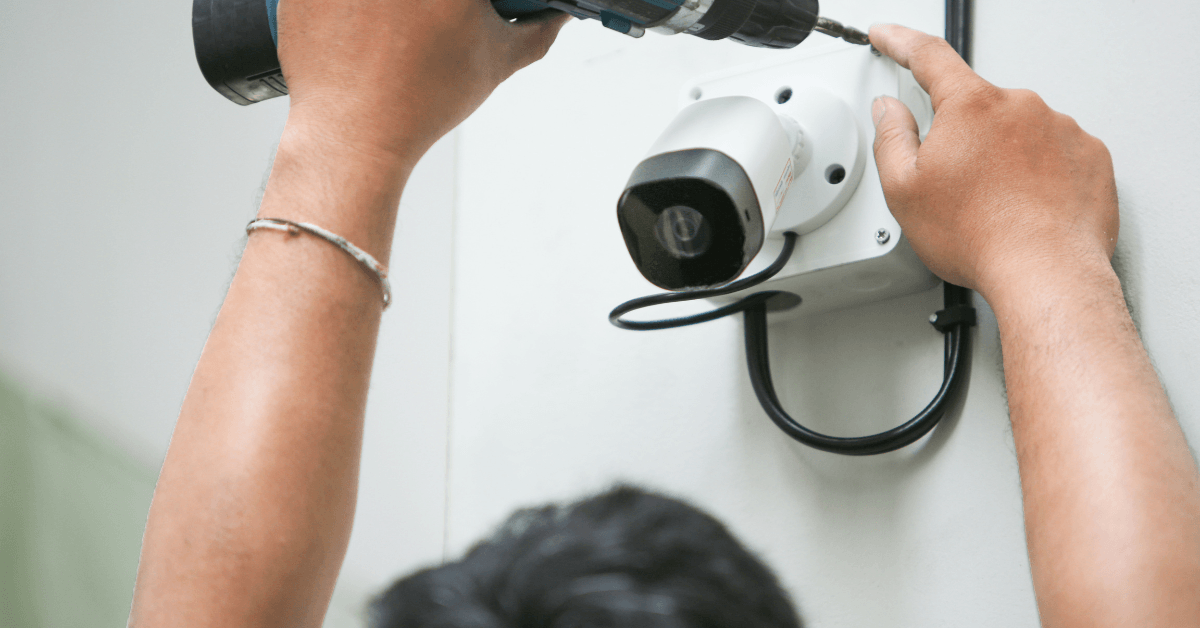
Eliminating blind spots requires a proper site assessment before a single cable is run. Irregular property shapes, mature trees, outbuildings, and multi-storey structures all create dead zones that need deliberate planning to address.
Configuration matters as much as the hardware itself. Resolution settings, motion detection zones, recording schedules, retention periods, and alert thresholds all need to be set for your specific property. Out-of-the-box default settings are almost never optimal.
Correct installation means properly terminated cables, weatherproof housing, and a fully tested system before handover. This reduces the risk of faults and expensive reactive call-outs down the line. When you need support after installation, a local team that knows your system is worth far more than a warranty return process or a remote helpline.
There is no shortage of companies offering CCTV systems in Cape Town. The quality of work, expertise, and accountability vary significantly. Here is what to look for:
JVN Security Systems meets each of these requirements. As an owner-managed company, we have spent over a decade designing and installing CCTV systems in Cape Town for homeowners, businesses, and property managers across the Western Cape.
Cape Town’s security landscape makes a well-designed CCTV system one of the most practical investments a property owner can make. Crime statistics across the Western Cape remain significant, and properly installed CCTV systems in Cape Town give you deterrence, evidence, and genuine peace of mind.
If you are considering CCTV systems in Cape Town and want a system designed for your specific property, contact JVN Security Solutions for a free site assessment and quotation. Call us on 084 241 4549 or visit jvnsecuritysolutions.co.za.
When most Cape Town homeowners think about property security, they thi
The site’s risk level determines the right security fencing for
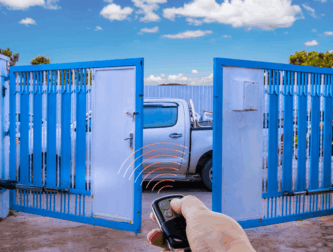
Gate motor installation is one of the most practical security upgrades

A garage door motor that is not properly matched to the door will let