3 Glen Alpine Way, Bergvliet, Cape Town
Mon-Fri 08:00 AM - 05:00 PM

Most people researching CCTV installation spend their time comparing cameras: resolution, night vision, field of view. That’s understandable, but it’s also why so many systems fail to deliver when it matters. The camera is maybe half the story. The other half is the security camera installer.
A high-spec camera installed in the wrong position, cabled without conduit, or connected to a recorder that isn’t configured correctly will underperform every time. What separates a reliable installer from an unreliable one usually comes down to process, and that’s not something you can see in a brochure or a quote.
This guide walks you through what to actually look for before you hand over the work to anyone: the questions to ask, the standards to expect, and the warning signs that should make you walk away.
Most people researching CCTV installation focus on the camera itself: the resolution, the night vision range, and the field of view. These things matter, but they account for only part of what determines whether your system actually protects you.
A high-spec camera installed in the wrong position, cabled without conduit, or connected to a recorder that isn’t configured correctly will underperform every time. The installation of security cameras is a technical job that requires planning, proper tools, and a working understanding of how surveillance systems operate as a whole.
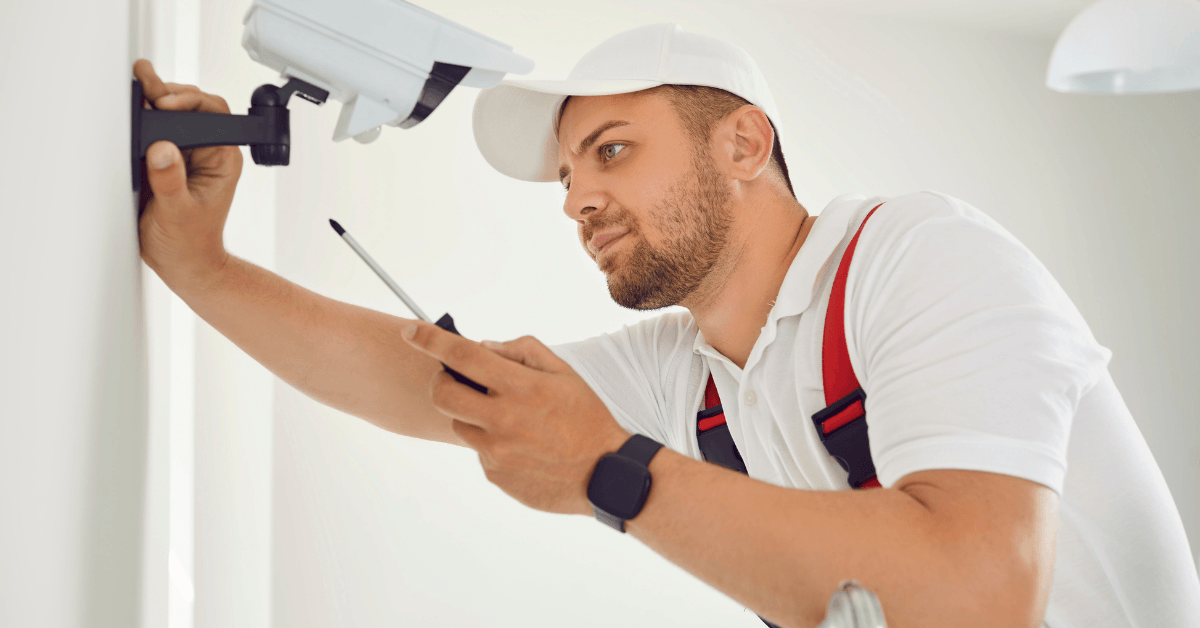
What separates a reliable installer from an unreliable one usually comes down to process:
These details reveal far more than any brochure.
In South Africa, security service providers are regulated under the Private Security Industry Regulation Act (PSIRA). Any company installing security equipment, including video surveillance camera systems, should be registered with the Private Security Industry Regulatory Authority. You can verify registration at psira.co.za.
What to look for when evaluating an installer:
Demonstrated experience with the type of system you need: residential, commercial, or industrial
Knowledge of both analogue and IP camera systems, and the ability to advise on which suits your property
Electrical competency or a working relationship with a certified electrician for power supply work
Familiarity with the brands they install, not just reselling generic equipment they haven’t been trained on
This is one of the most common questions, and the honest answer is that it depends on several factors: the camera type, the size of the property, the cabling route, whether conduit is needed, and the complexity of the recorder setup.
As a general guide for the Cape Town market, a standard eight-camera residential system using quality HD cameras with professional installation typically falls in the R15,000 to R30,000 range. Commercial installations with higher-spec cameras, larger storage requirements, or difficult cable runs will cost more. Budget systems using entry-level cameras can come in lower, but the trade-off in image quality and long-term reliability is often not worth it.

Be cautious of quotes that seem significantly cheaper than others. Security cameras and installation costs that appear unusually low often reflect shortcuts in cabling, cheaper components than quoted, or insufficient time spent on commissioning and testing. A proper site visit and written quotation are the only ways to get an accurate figure for your specific property. JVN Security Solutions provides free assessments and itemised quotes before any work begins.
Before agreeing to any installation, ask these questions directly. How an installer responds will tell you a great deal about their professionalism.
Any reputable security camera installer should insist on seeing the property before providing a final quote. Camera placement decisions (coverage angles, blind spots, entry points, lighting conditions at night) cannot be made accurately from a description or a Google Maps screenshot. If a company quotes you without visiting, the resulting installation may not cover what you actually need.
Exposed cabling is a security vulnerability and a sign of rushed work. Cables should run through conduit, within cavities where possible, or be managed neatly where surface mounting is unavoidable. Ask how the cabling will be handled on your specific property and what conduit will be used.
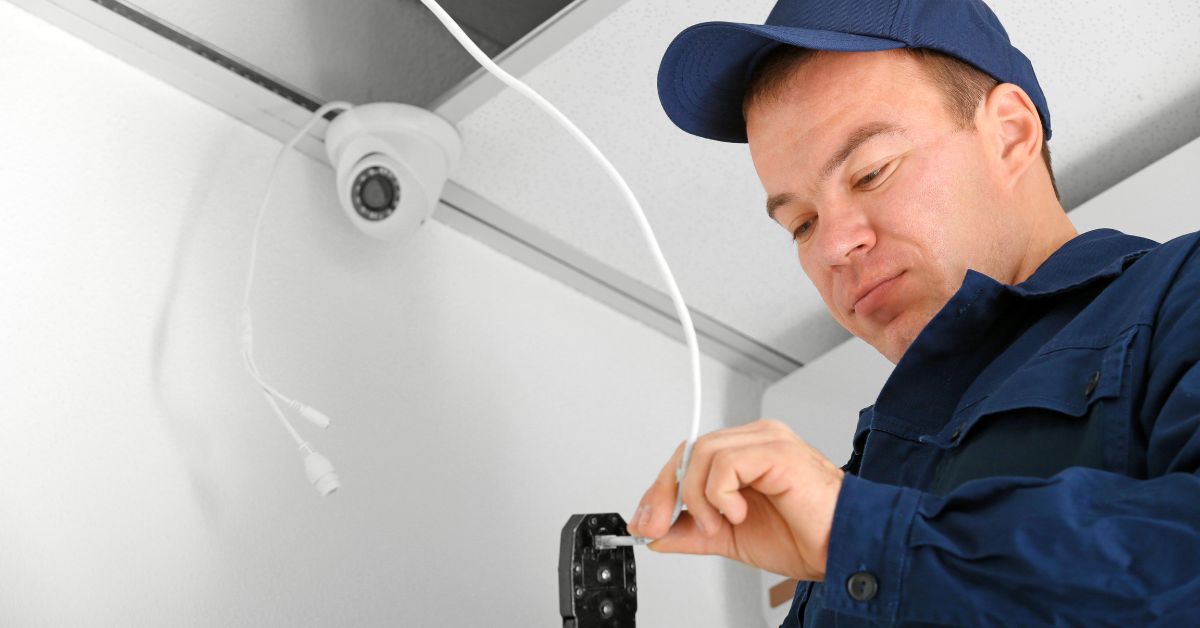
Installing security cameras without adequate storage is one of the most common oversights in budget CCTV installations. Ask how many days of footage the system will retain at full resolution, and whether that meets your needs. At JVN Security Solutions, we recommend a minimum of 30 days of stored footage for most residential properties. Commercial properties with higher risk profiles often need longer retention.
In South Africa, this is non-negotiable. A system that goes offline during a power outage is useless precisely when you may need it most. Ask whether the installation includes a UPS and how long it will run the system. For a typical 4 to 8 camera setup with a recorder, a minimum of 4 hours of backup power is a reasonable standard to hold an installer to. If they can’t tell you the runtime, the backup provision probably hasn’t been properly sized.
After the physical installation, a professional installer should configure the recorder, check every camera’s image quality and angle, set up remote viewing access, and walk you through how to use the system. If an installer treats the job as complete once the cables are connected, you are not getting a professional service.
These are the mistakes we see most often when we’re called in to fix or replace an existing installation:
More cameras with narrower fields of view generally produce better evidence than fewer cameras trying to cover too much. As a practical rule, a single camera covering more than a 90 degree field of view at any real distance will rarely capture usable facial detail. Wide coverage looks good on a monitor but tends to fail when you actually need to identify someone. Tighter angles, more strategically placed, will serve you far better.
A camera mounted high on a wall looks impressive and may deter opportunistic crime, but if it’s angled too broadly to capture usable detail, it isn’t doing its actual job. The primary goal is evidence: footage that can identify a person, confirm an event, or support a prosecution.
This means height and angle need to be chosen with image quality in mind, not aesthetics. A camera positioned at 4 to 5 metres with a downward angle calibrated for facial capture at the likely point of entry will outperform a roofline-mounted camera every time. The higher mount looks more secure. The lower, well-aimed camera actually is.
Cameras facing into direct light sources, or covering areas that are completely unlit at night, produce poor footage regardless of how good the camera is. A common assumption is that IR night vision solves this entirely. It doesn’t. On most residential cameras, IR range is typically 20 to 30 metres. Beyond that, image quality drops off significantly. A site assessment should include a review of lighting conditions at different times of day, and placement should account for IR range at night, not just the camera’s daytime field of view.
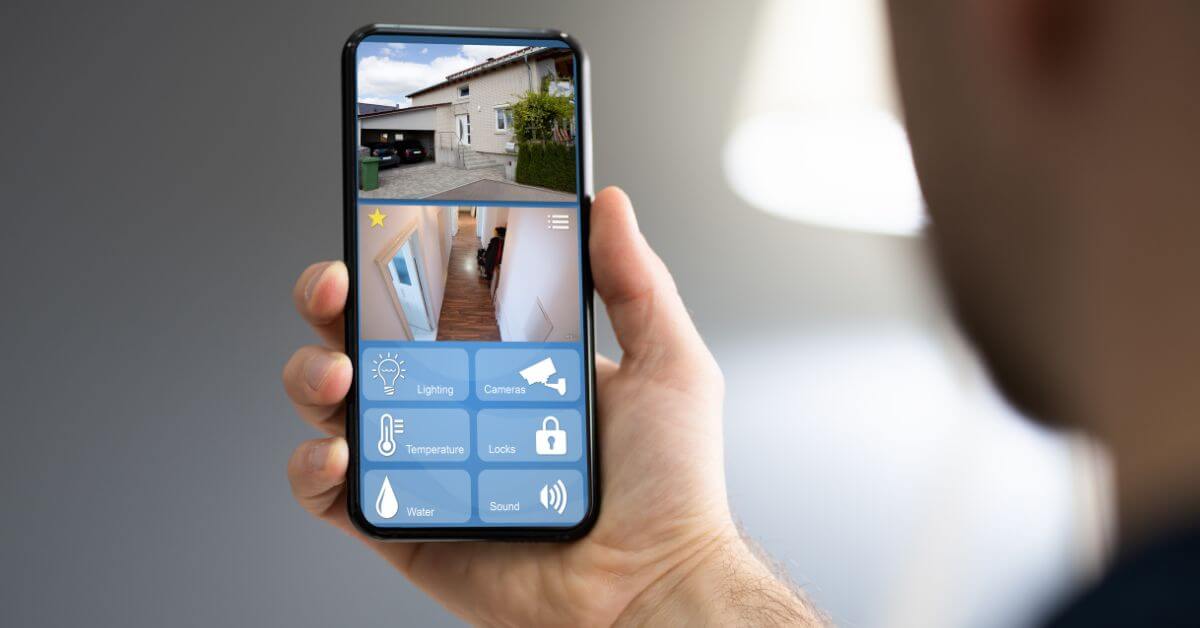
Most people searching for CCTV installation near me want the ability to check their property from their phone. Remote viewing should be set up and tested during commissioning, not left as a future task.
Security cameras installation cost is important, but a cheaper quote that results in a system you can’t rely on is more expensive in the long run. Evaluate quotes based on what is included, not just the total figure.
Most security camera failures are not hardware failures. They are planning failures: the wrong cameras in the wrong positions, cabling that wasn’t protected, storage that runs out after four days, and a recorder that nobody configured properly. Getting these details right from the start is what separates a system you can rely on from one that looks the part until you actually need it.
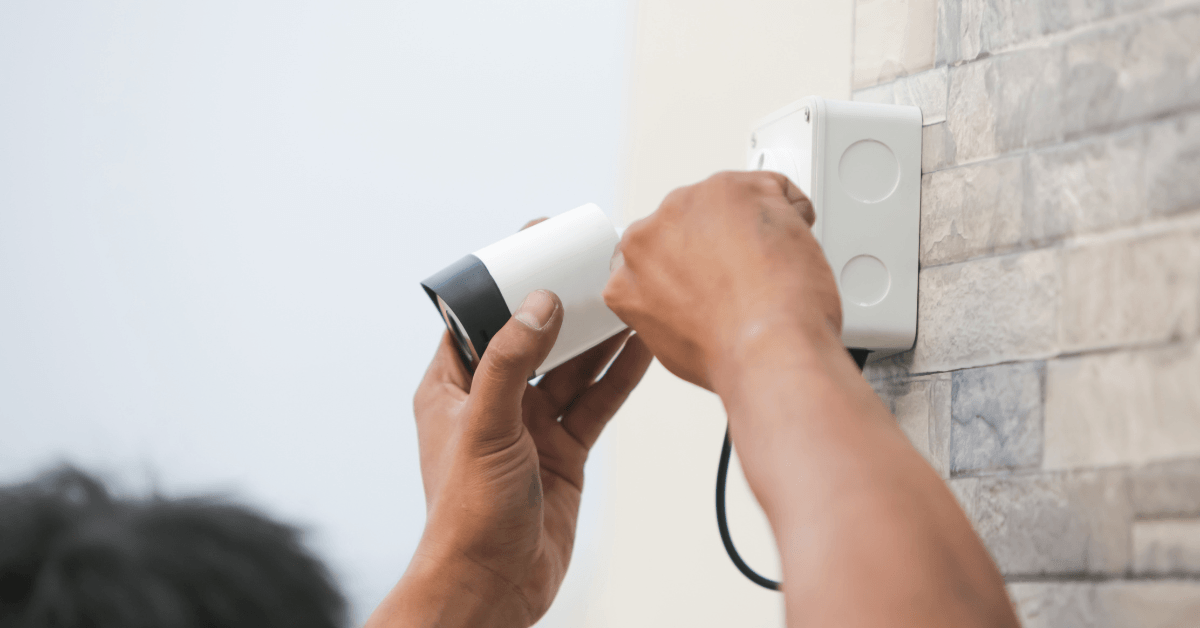
Site assessment: Camera placement decisions are made before any work begins, based on an in-person visit to your property.
Written quotation: An itemised quote covering equipment, cabling, labour, and commissioning, so you know exactly what you are paying for.
Protected cabling: All cabling runs through conduit with clean, secure terminations, not clipped along surfaces or left exposed.
Recorder configuration: Storage duration, motion detection zones, and image quality settings all correctly configured before we leave.
Backup power: UPS provision sized for your system so cameras and recorder stay online during load shedding.
Remote viewing: Access set up and tested on your device, with a full walkthrough before the team leaves.
Post-installation support: A clear point of contact for any issues after the job is done.
If the quote you are comparing us against does not include these elements, ask what happens after installation if you have a problem. That answer will tell you what you need to know.
A system installed to this standard is only as valuable as the decisions made before the first cable is run. Understanding the broader risks to your property is a good place to start.
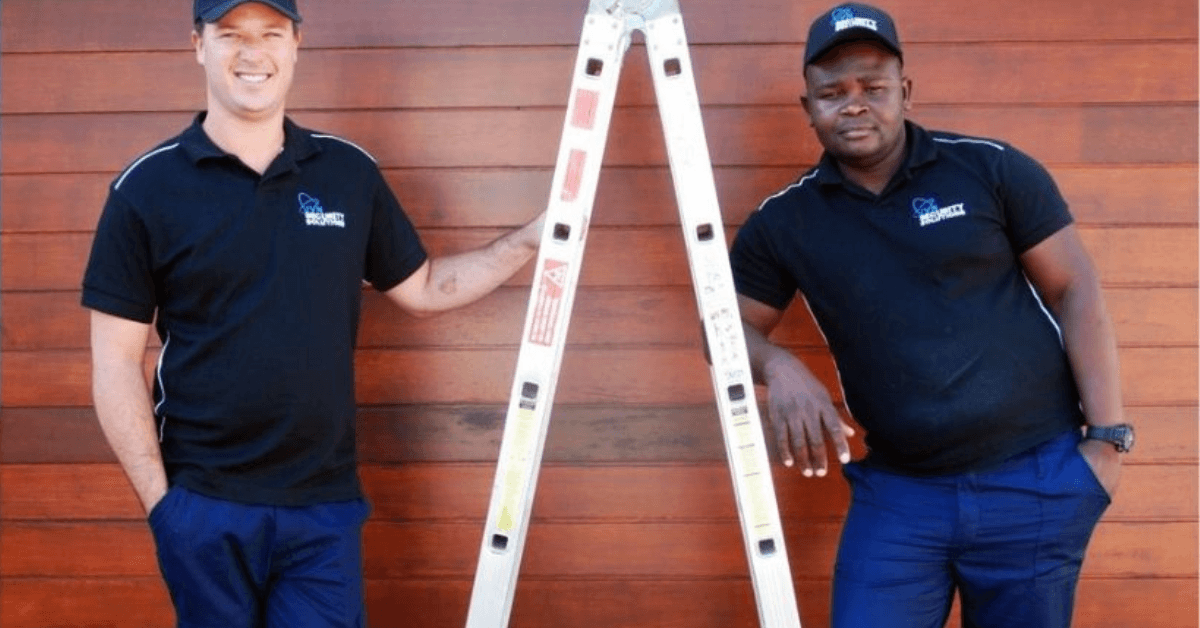
JVN Security Solutions is an owner-managed security automation company based in Bergvliet, Cape Town, with over 10 years of experience working across residential, commercial, and industrial properties. Because the owner is hands-on in every project, you get personal on-site supervision and attention to detail that larger companies typically can’t offer.
We hold a 4.9 rating on Google, have over 10 years’ experience, and offer free site assessments with a low price guarantee. When you contact us, you’re dealing directly with the people doing the work, not a call centre passing messages along.
Beyond CCTV, we handle electric fencing, gate motor automation, intercoms, access control, electric locks, and custom steel works, so your full perimeter security can be planned and installed by one team that understands how all the components work together.
If you are ready to get a proper security camera installer to assess your property, contact JVN Security Solutions for a free site visit and quotation. Call us on 084 241 4549 or visit jvnsecuritysolutions.co.za.
Start by verifying their registrations and certifications, then ask for references or examples of completed installations. A reliable installer will carry out a site assessment before quoting, provide a written quotation, and offer post-installation support. Avoid anyone who quotes without visiting or who cannot show proof of registration.
The terms are largely interchangeable. CCTV (closed-circuit television) refers to the traditional analogue systems; security camera installation today covers both analogue and IP-based digital systems. A professional installer should be comfortable with both and advise on which suits your needs.
Plug-and-play wireless cameras can be self-installed, but a hardwired professional system requires proper cabling, power supply management, and recorder configuration. Incorrect installation leads to coverage gaps, poor footage quality, and systems that fail exactly when you need them. For anything beyond a basic wireless setup, professional installation is strongly recommended.
When most Cape Town homeowners think about property security, they thi
The site’s risk level determines the right security fencing for
Gate motor installation is one of the most practical security upgrades

A garage door motor that is not properly matched to the door will let