3 Glen Alpine Way, Bergvliet, Cape Town
Mon-Fri 08:00 AM - 05:00 PM
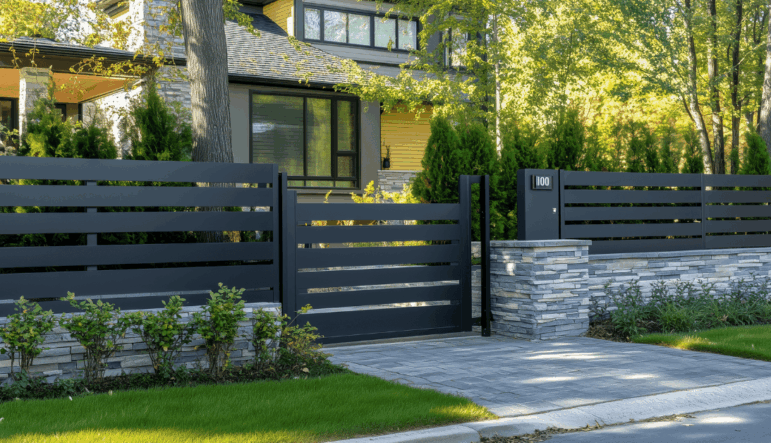
A good electric gate installer will assess your site before quoting, match the motor to your specific gate weight and type, complete the electrical work to the required standard, and hand over a system that keeps running through a power outage. According to Statistics South Africa’s 2024/25 Governance, Public Safety and Justice Survey, an estimated 1.5 million housebreaking incidents occurred in South Africa during that period, representing 5.7% of all households nationwide. As Cape Town Etc reports, housebreaking has emerged as the predominant crime affecting South African households during this period. An automated gate creates an immediate physical and psychological barrier at your property’s most important access point, but only if it is installed correctly by someone qualified to do the work.
At JVN Security Systems, we get called in regularly to fix installations where the fundamentals were skipped. The same problems keep appearing: undersized motors, missing safety equipment, exposed wiring without conduit, no provision for load shedding, and unclear post-installation support. This guide covers what a proper installation looks like from start to finish and what to check before you let anyone begin.
Most Cape Town homeowners know an electric gate motor should match their gate’s weight and type. What is less obvious is that the installer’s qualifications, experience, and approach will determine whether your system runs reliably for years or becomes a source of recurring problems and unexpected costs.
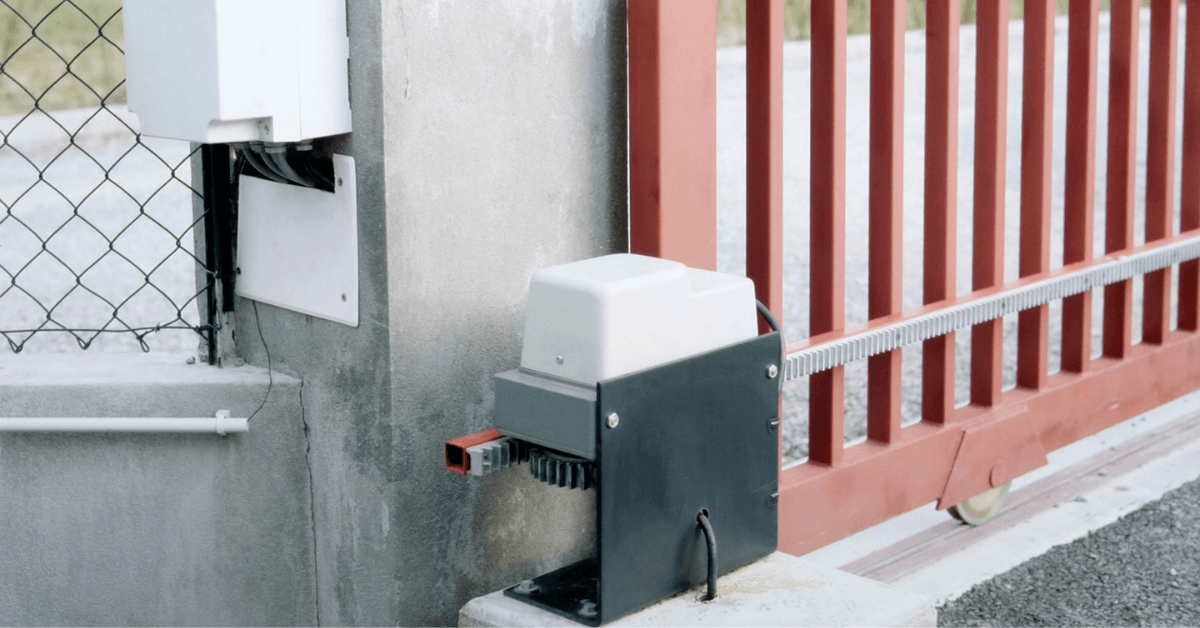
A good electric gate installer will do three things from the start: conduct a proper site assessment before quoting, specify a motor matched to your gate’s actual requirements, and handle all electrical work to the standards required by South African law. An installer who skips any of these steps creates problems that surface later, often at considerable cost.
If you want to understand how automated gates work, the different types available, and what to consider before committing to a system, our automated gates guide covers all of that in detail. This guide focuses specifically on how to evaluate the installer.
Before you request a quote from any company, verify two key credentials.
All mains electrical work connected to a gate automation system must comply with SANS 10142, the South African National Standard for the Wiring of Premises. This work must be carried out by or under the direct supervision of a registered electrical contractor. A Certificate of Compliance must be issued on completion. Any installer who does not mention SANS 10142 or does not clarify how electrical compliance will be handled does not understand the full legal scope of the job.
A qualified electric gate installer should be able to demonstrate:
When you ask these questions, a professional installer will answer them confidently and provide examples without hesitation.
Any reputable installer will visit your property before providing a figure. During this visit, they will measure your gate and confirm its material and weight, check the track condition for sliding gates or hinge integrity for swing gates, assess the cabling route and identify where the motor will mount, evaluate your power supply and identify what electrical work is needed, and note site-specific factors such as slope, ground conditions, or coastal exposure.
A quote provided without a site visit will either be inaccurate or incomplete. Gaps that surface during installation often turn into costly variations.
Your quote should list every component separately: the motor model and why it suits your gate, safety beams and installation details, cabling and conduit, control board and access control interface, battery backup system, manual release mechanism, labour and installation timeline, and warranty terms for the motor and labour. If anything is missing from the breakdown, it is likely missing from the job.
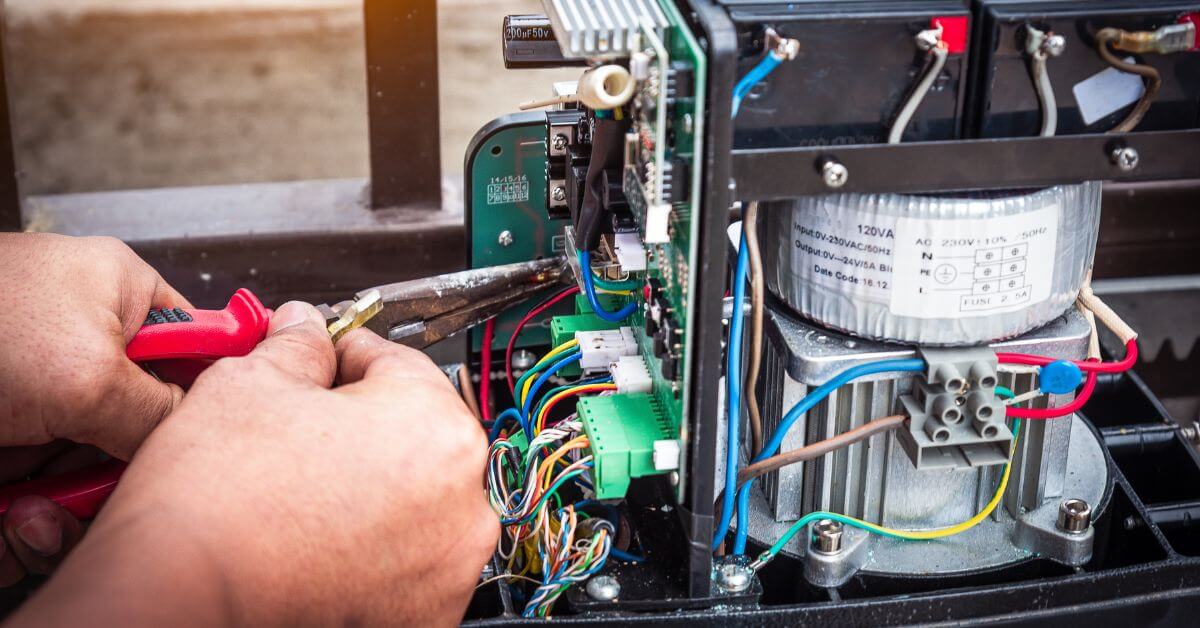
All cabling must run through conduit and be protected against weather and physical damage. This is a compliance requirement under SANS 10142, not a cost-saving option. Ask your installer to walk you through exactly how the cabling will be routed, protected, and where it will connect to the mains supply. Exposed or surface-run cables without conduit indicate the installer is either cutting corners or does not understand the standard.
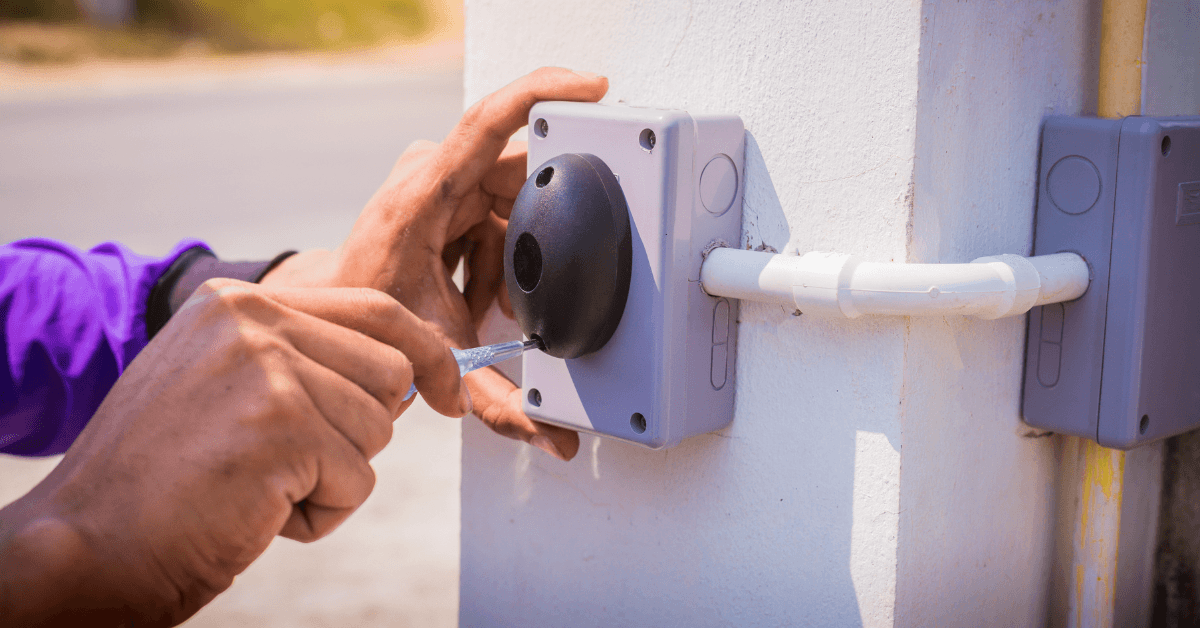
Safety beams are a legal requirement for all automated gate installations in South Africa. They stop the gate from closing on a person, vehicle, or object in its path. Any installer who does not include safety beams in the base specification is not meeting the required standard. Confirm they are tested during commissioning and that you understand how to verify they are working after installation.
In Cape Town, a gate that stops working every time load shedding occurs is a security risk and an operational problem that was entirely avoidable at the quote stage. Battery backup should be treated as a standard part of the installation, not an optional upgrade. If it was not raised at the quote stage, it was not part of the plan. Ask specifically before you sign off on anything and confirm the battery capacity and expected backup runtime during a power outage.
Ask who you should contact if there is a problem after installation and what the expected response time is. A professional installer has a direct contact number and a clear process for handling faults within the warranty period. Vague or difficult-to-access support indicates the installer may not stand behind the work.
The cost to automate a gate in Cape Town ranges based on motor type and capacity, gate size and condition, installation complexity, and whether any preparation work is needed before the motor is fitted. Based on current Cape Town market conditions as reflected in JVN Security Systems’ current installations:

All figures are approximate. A site visit and formal quotation will give you an accurate figure for your specific gate and property.
Be cautious of gate automation near me quotes that come in well below these ranges. The gap usually reflects unbranded motors, missing safety beams, cabling without conduit, or a motor underspecified for your gate’s actual weight. A free site assessment is the only way to compare quotes on equal terms.

A professional installation follows a clear sequence.
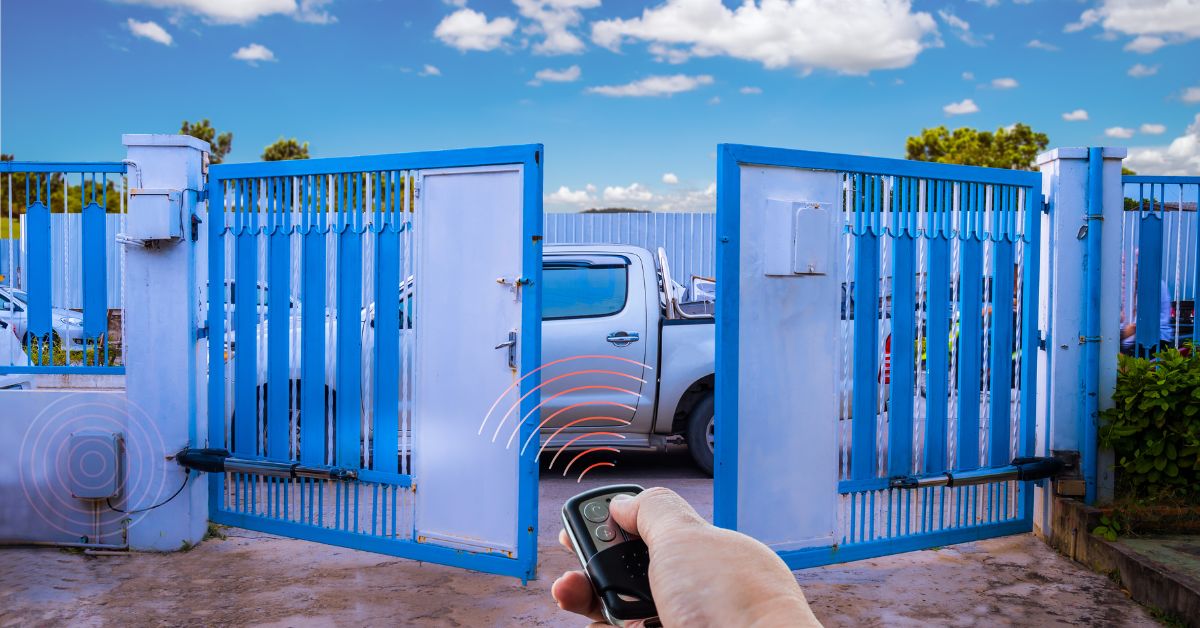
Before signing a contract, confirm the installer can answer these questions clearly.
Look for direct local experience, not just years in business. Ask for references and examples of similar gate installations they have completed. A confident installer provides references without being asked twice.
If load shedding is not addressed in the quote, it was not part of the plan. Confirm that battery backup is included or that you understand the cost to add it.
A professional installer has a clear process and direct contact for warranty claims. Vague answers about how faults are handled should raise concerns.
The answer should be a specific description of cable routing, conduit use, and weather protection. Surface-run cables without conduit indicate an incomplete understanding of the compliance standard.
The installer should explain why the specified motor suits your gate’s weight, usage frequency, and site conditions. A generic answer suggests the motor was not selected for your gate specifically.
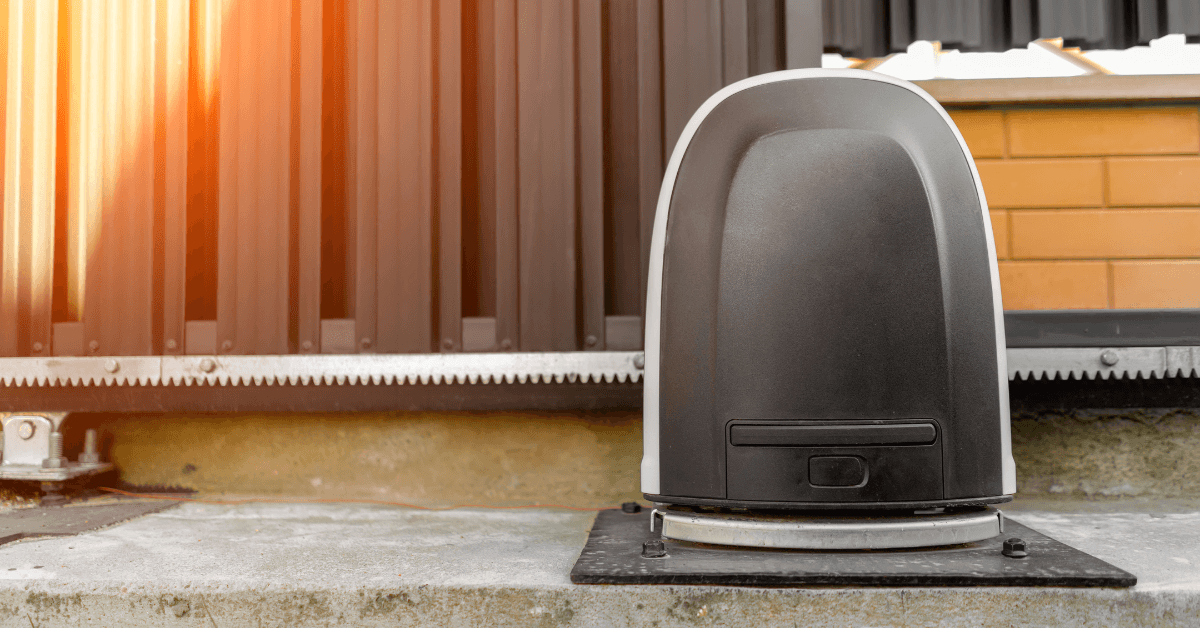
These are the problems JVN Security Systems is most often called in to fix after another company has done the work.
An electric gate controls who enters your property. A CCTV system records what happens at and around the entry point. The two work together, and installing both at the same time means a single cable run and one team that understands the whole setup from perimeter to recorder.
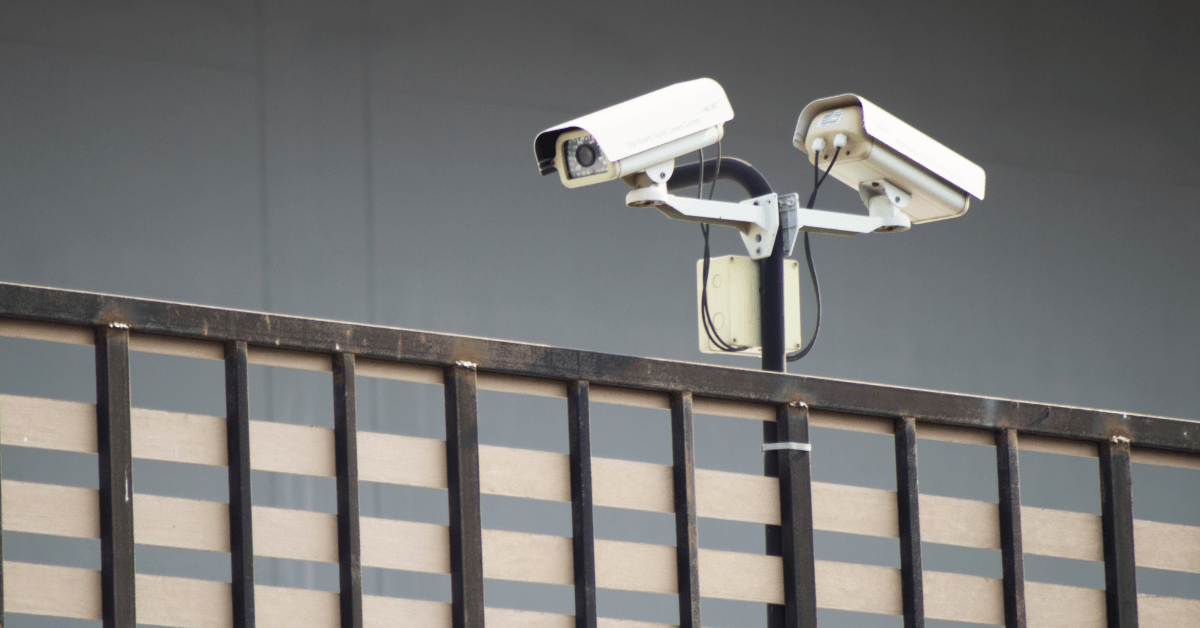
Combining the work reduces disruption, avoids duplicate cable runs, and gives you a full security setup that was planned as a system rather than assembled in pieces. JVN Security Systems handles both gate automation and CCTV camera installations across Cape Town for residential and commercial properties. You can see the full range of security services at jvnsecuritysolutions.co.za. If CCTV is something you are considering, mention it when you request your site assessment and quote for the gate installation.
A reliable installer will match the motor to your gate’s weight and type, include safety beams and battery backup as standard, arrange certified electrical compliance, and give you a clear post-installation support contact. Avoid anyone who quotes without visiting your property.
A residential sliding gate motor installation on an existing gate typically takes four to six hours. A full installation, including gate, posts, motor, and cable run, usually takes one to two days, depending on site conditions. Your installer will confirm the timeline during the site assessment.
The process involves mounting the motor unit, running cables through conduit to safety beams and the control panel, connecting to the mains supply under SANS 10142 compliance with a Certificate of Compliance issued on completion, setting open and close limit switches, and configuring the control board. It requires electrical certification and carries safety and legal implications if done without it. Most motor warranties are also voided by non-professional installation.
Sliding gates move along a track and suit narrow driveways with no swing space. Swing gates open inward or outward on hinges and suit wider entrances with adequate clearance. Both require proper site assessment, but the motor specification and installation approach differ based on gate type. Your installer will recommend the right type during the site assessment. For a full breakdown of both gate types and what suits different property layouts, see our automated gates guide.
A battery backup unit keeps the motor running during power outages. If your installation did not include a backup, the gate stops working every time load shedding occurs. This should have been addressed at the quote stage. If it was not, contact your installer about adding a battery backup system after installation.
Most existing gates can be automated if the frame is structurally sound and the track or hinges are in good condition. If the gate is bent, sagging, or running on worn components, the motor will wear out faster and may not perform reliably. Your installer will assess the gate’s condition during the site assessment and advise whether repair or replacement is needed before the motor is fitted.
Sliding gates require periodic track and wheel cleaning to prevent sand and grit from causing premature wear, which is a particular consideration in Cape Town’s coastal conditions. Motor components should be checked and lubricated on schedule. Safety beams and control board settings should be tested regularly. For most residential properties, a service once or twice a year is sufficient. Your installer can set up a maintenance schedule at handover.
JVN Security Systems is a owner-managed security automation company based in Cape Town with over a decade of experience fitting automated gates for residential and commercial clients across the Western Cape.

We conduct a full site assessment for every installation and specify motors and components matched to your gate, property layout, and local conditions, not from a standard template. When you contact JVN Security Systems, you speak to someone who knows the work, knows the area, and can give you a straight answer about what your installation actually requires. No padding, no shortcuts.
If you are looking for an electric gate installer in Cape Town, contact us on 084 241 4549 for a free site assessment and written quotation.
When most Cape Town homeowners think about property security, they thi
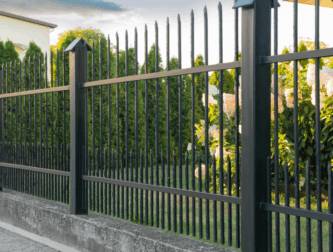
The site’s risk level determines the right security fencing for
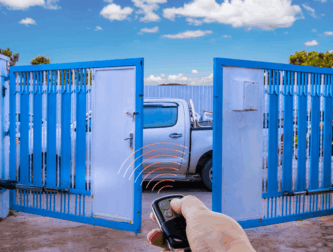
Gate motor installation is one of the most practical security upgrades

A garage door motor that is not properly matched to the door will let